
Is Stump Removal or Grinding Better for Small Backyards?
Choosing between stump removal and stump grinding can be a daunting decision for homeowners with small backyards. Both options aim to clear…
Choosing between stump removal and stump grinding can be a daunting decision for homeowners with small backyards. Both options aim to clear out unsightly stumps, but each method brings its own set of benefits and drawbacks. In Australia’s temperate climates, where outdoor spaces are a cherished extension of living areas, making an informed decision is essential. This article will explore every angle-costs, time efficiency, environmental impact, and property value-ensuring you gain a thorough understanding to help guide your decision.
Understanding the Two Methods
Defining Stump Removal
Stump removal involves physically extracting the stump and its roots from the ground. This approach typically calls for heavy machinery and a more labour-intensive process. It involves not only digging out the stump but also filling in the resulting void with soil, which ensures a smooth and even finish in your backyard.
This method is generally more invasive compared to grinding. The process requires more time and manual effort, and it often results in larger disturbances to the soil. While the outcome leaves a completely clear area where the stump once was, it does leave a noticeable footprint in terms of soil removal and subsequent restoration.
For those planning extensive landscaping or who want to repurpose the area, stump removal can offer a blank canvas ready for replanting or the installation of a new feature. Biodiverse gardens or patios, particularly in small backyards, can greatly benefit from the extra space gained by completely removing the old stump.
Defining Stump Grinding
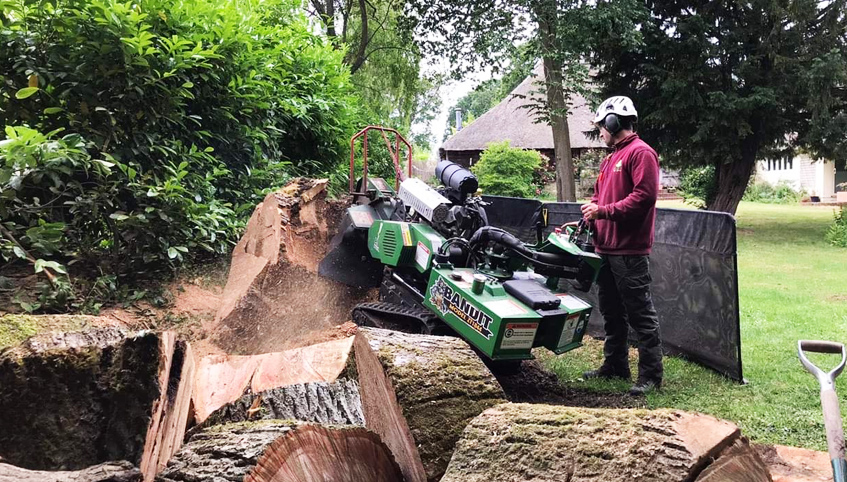
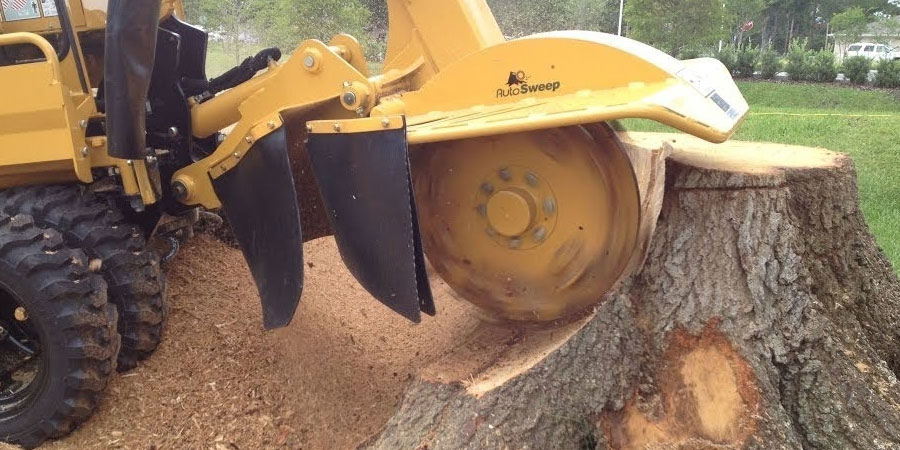
Stump grinding takes a different approach by using specialised machinery to grind away the stump, reducing it to fine wood chips that can either be left as mulch or removed. This method does not require the full extraction of the root system, which in turn minimises soil disruption. The process is not only quicker but also more environmentally friendly due to the reduced disturbance of the environment.
Typically, stump grinding is a more cost-effective method, especially relevant for small backyards where extensive excavation may not be necessary. In Australia, where backyard spaces are often treasured and carefully landscaped, the ability to quickly remove a stump without destroying existing garden features is a significant advantage.
Many homeowners appreciate that stump grinding takes only about 1-2 hours per stump, making it an efficient solution that minimises the hassle and time commitment involved. It allows for prompt project completions without the extensive downtime that can affect your outdoor scheduling.
Cost Considerations
Breaking Down the Costs of Stump Removal
Stump removal is generally the more expensive option when compared to grinding. Costs for removal can vary from $250 to as much as $1,000 per stump. Such a spread in price accounts for factors like stump size, location, and the complexity of root systems.
When budgeting for stump removal, it is important to consider the full process: excavation, debris removal, and the subsequent restoration of your backyard. The general consensus among industry experts is that this method might be best suited to situations where the entire area needs to be completely cleared and re-landscaped.
If you have a small backyard and wish to reclaim as much open space as possible, every dollar counts. Therefore, thoroughly examining the necessity of stump extraction versus simply grinding the stump down might help in making a financially sound decision.
Understanding the Costs of Stump Grinding
Stump grinding usually falls within an average range of $120 to $500 per stump, with many sources quoting a median cost around $250. The relative affordability of stump grinding is appealing, especially for homeowners needing to manage budgets while still improving garden aesthetics.
The procedure is generally faster than full stump removal and requires less heavy machinery, both of which contribute to its lower cost. Most estimates suggest that the process of grinding a stump takes just 1 to 2 hours, making the labour cost minimal compared to that of full removal.
For small backyard environments, the benefits of speed and lower expense mean that grinding can be an attractive choice. If your aim is to remove the unsightly stump without embarking on a major excavation project, stump grinding offers a highly cost-effective and efficient solution.
Time Efficiency and Labour Intensity
The Time Involved in Stump Removal
Stump removal is not just about the physical extraction of the stump; it also involves time allocated to handle the heavy machinery, fill in the excavated area, and clean up the debris. Typically, the entire process can extend over several hours, sometimes even requiring a full day depending on the stump’s size and location.
The process is more labour-intensive than grinding. The need to remove not just the stump but also the large volume of roots and soil means you might have to arrange for professional services if you lack the necessary tools. This additional time and complexity can be a significant consideration, particularly if your backyard schedule is already tight.
The added time commitment for stump removal may outweigh its benefits, especially if the necessary area for a new project can be achieved without full extraction, simplifying the process considerably.
Why Stump Grinding is More Time-Efficient
Stump grinding is frequently praised for its quick turnaround. On average, a stump grinding task takes between 1 and 2 hours per stump. This speed is largely due to the technology employed, which quickly breaks down the stump with minimal disruption to the surrounding garden space.
The process involves grinding the stump down to a series of fine wood chips. These chips can often be used as mulch, adding an extra layer of benefit to your backyard by recycling organic matter back into the soil. This circular approach appeals to environmentally conscious homeowners.
The efficiency of stump grinding means that you spend less time waiting for work to be completed, freeing up valuable weekends and allowing for faster project progression. For a busy family or professional with limited free time, this turnaround is a key factor in the decision-making process.
Environmental Impact
Environmental Considerations for Stump Removal
Stump removal generally requires the use of heavy machinery. While effective in eliminating the entire root system, it can lead to significant soil disturbance. This disruption might require additional efforts to restore soil health and can impact local ecosystems.
Moreover, the volume of organic material removed during the process increases the need for debris disposal. In some cases, the extraction of a stump results in more waste that must be managed responsibly. Homeowners committed to maintaining an eco-friendly garden may find this method less appealing.
While stump removal can sometimes lead to a more substantial planned re-landscaping, ensuring that the environmental impact is managed well is key. Environmental restoration efforts, such as replanting and soil enrichment, should be factored into the overall cost and effort associated with stump removal. You may like to visit https://www.soe.epa.nsw.gov.au/all-themes/land/soil-condition to get more about soil health improvement.
The Greener Alternative: Stump Grinding
Stump grinding, on the other hand, is often seen as the more environmentally friendly option. As it minimises soil disturbance and leaves behind wood chips that can be used as mulch, it offers a sustainable way to manage unwanted stumps.
This method reduces the need to transport large quantities of organic waste for disposal and helps to maintain the natural structure of your garden. In many cases, the wood chips left behind can enhance the soil’s fertility, providing nutrients and moisture retention benefits.
For eco-conscious homeowners who value a reduced carbon footprint, stump grinding stands out as a considerate choice. The process’s efficiency coupled with its repurposing of organic material makes a positive contribution to your backyard’s overall health and resilience.
Impact on Property Value
How Stump Removal Can Enhance Property Value
While stump removal is typically the pricier option, there is a recognised benefit when it comes to property aesthetics. Removing a stump completely can leave your backyard looking pristine and open, which can be particularly attractive if you’re looking to sell.
A study suggests that proper stump removal can lead to an increase of up to 15% in property values. A clean slate in your backyard not only boosts curb appeal but also offers a broader range of possibilities for landscaping and outdoor usage.
Homeowners who invest in thorough removal can enjoy the dual benefit of an improved space for personal use and a higher market value if they ever choose to put their property on the market. The initial financial outlay may be recouped by the rise in your property’s appeal.
Stump Grinding and Its Effects on Property Appeal
Although stump grinding is less invasive and more cost-effective, it can still have a positive impact on property value. This strategy allows for a quicker transformation of your garden with minimal disruption, keeping the overall appearance intact and immediately inviting.
Because the method efficiently deals with unsightly stumps while preserving most of the surrounding soil, it opens up options for replanting and aesthetic improvements. In small backyards, where space is at a premium, even a minor increase in open area can significantly enhance the overall appeal.
Ultimately, neat and maintained outdoor spaces contribute to better aesthetics, indirectly boosting property value. Homeowners who need a balance between cost, time and property enhancement might lean towards the effective and quick solution provided by stump grinding.
Labour and Expertise Required
What You Need to Know About Stump Removal Labour
Stump removal is a task that often requires specialised skills and equipment. The extraction process includes not only the removal of the stump but also dealing with the root system embedded deep within the soil. This can involve a team of professionals or heavy machinery that may be beyond the capabilities of an amateur gardener.
If you choose stump removal, it is often advisable to hire experts who have a thorough understanding of local soil conditions. This insight is especially valuable in Australian backyards where diverse soil types require different approaches during excavation and restoration.
The greater labour intensity and need for professional assistance guarantee that the job is done safely and thoroughly, though it does come at a premium. Homeowners must be prepared for the logistics and coordination required when opting for full stump extraction.
Ease of Execution with Stump Grinding
Stump grinding, in contrast, is a less labour-intensive process that is generally straightforward. The machinery used in grinding is designed to quickly and effectively reduce the stump to a series of chips. This eliminates much of the risk associated with excavating deep roots.
The relatively simple process can often be completed by a skilled operator without the need for extensive landscaping or site restoration afterward. For those with limited time or resources, this method provides a convenient and manageable solution.
Homeowners in Australia appreciate the efficiency of stump grinding. With minimal manpower and equipment required for removal, the process can usually be scheduled quickly, ensuring that your project does not drag on unnecessarily.
Practical Considerations for Small Backyards
Space Constraints and Project Goals
When working with a small backyard, every square metre counts. Stump removal provides an entirely clear plot that can be reimagined for multiple uses, whether it be a new garden bed, patio space or outdoor seating area. The removal process creates room not just by eliminating the stump, but also by allowing a fully level area that can be customised to your vision.
However, removal often comes with the added hassle of restoring and filling in the resultant large void in your garden. This can be a challenge when space is tight and every inch must be efficiently utilised. Additionally, planning subsequent landscaping efforts can increase the overall project timeline.
The decision should factor in whether the complete absence of the stump-and its resulting expansive space-is necessary for your overall backyard plan. Sometimes, preserving some natural elements enhances the aesthetic balance, even in smaller settings.
Optimising Yards with Minimal Disruption
Stump grinding is highly appealing for small backyards because of its minimally invasive nature. By only reducing the stump to chips instead of removing entire root systems and soil masses, you better preserve the existing landscape layout.
This method offers an immediate visual uplift without the need to rearrange your entire outdoors. The wood chips can act as an additional mulch layer, benefiting your existing flora and reducing the need to source extra materials. Such practical benefits are valued by homeowners who are keen to implement eco-friendly and low-disruption solutions.
For many, the less disruptive nature of stump grinding means there is less risk of accidentally damaging adjacent plants or garden fixtures. This makes it the ideal option for those who wish to maintain the overall design harmony of their compact backyard.
Maintenance and Aftercare
Aftercare Following Stump Removal
Once a stump has been completely extracted, the work does not end there. The void left behind must be filled, and the soil carefully compacted to avoid future sinking or instability. Special attention is needed if replanting is planned, ensuring that the soil composition meets the needs of the new vegetation.
This aftercare process can involve additional expenses and ongoing maintenance. In small backyards, the quality of soil restoration can greatly affect the success of subsequent landscaping projects, making careful planning essential.
For those who are willing to invest extra time and care into yard management, stump removal can be a rewarding process. However, it is important to ensure that the restorative work is carried out meticulously to avoid long-term complications with the landscape’s foundation.
Maintaining the Results of Stump Grinding
The benefits of stump grinding extend somewhat into the aftercare phase. With less soil displacement, the area around the ground remains largely intact, reducing the need for extensive reconstruction or replanting work.
The wood chips left behind can serve as a natural mulch, controlling weeds and retaining moisture. This built-in feature transforms the removal process into a sustainable landscaping solution with minimal extra work required from the homeowner.
Regular monitoring remains a good idea, especially if the chips are intended to support flowerbeds or vegetable patches. Over time, the chips break down slowly, enriching the soil without the necessity of additional fertiliser treatments or invasive efforts.
Final Thoughts: Balancing Costs, Time, and Environmental Impact
Weighing the Overall Benefits
The decision to remove or grind a stump depends on several factors unique to each property. Small Australian backyards often require quick, cost-effective solutions that blend well with existing landscapes. Stump grinding ticks all these boxes with its lower cost, fast turnaround, and minimal environmental disruptions.
On the other hand, stump removal offers an opportunity to completely revamp a space, creating a blank slate for expansive new projects and a more dramatic transformation of the outdoors. This investment might be more appropriate when the goal is extensive landscaping or if property value boosts are a serious consideration.
Ultimately, your priorities-whether they lean towards maximising property space, conserving natural topography, or simply achieving the best visual impact with the least fuss-will determine the best approach for your needs.
The Decision-Making Process
Homeowners are encouraged to carefully assess the full spectrum of costs: financial, temporal, and ecological. If budget and speed are paramount, then the efficiency of stump grinding is compelling. The process barely interrupts your regular routine and offers an eco-friendly alternative that recycles organic material back into your garden.
If, however, a pristine, entirely cleared garden is the aim, particularly for those planning a full redesign, then the additional expense and effort of stump removal make sense. The increased property value and complete reinvention of the space could outweigh the immediate drawbacks for those with long-term plans.
Consider obtaining multiple quotes and professional assessments to gauge how each method would work in your specific yard conditions. Think about the local environmental regulations and the impact these choices may have on your garden’s ecosystem. A well-informed decision always balances intuition with detailed analysis.
Additional Tips and Recommendations
Hiring Professional Services
When your backyard project reaches a point where specialised equipment is necessary, hiring professionals can provide the extra reassurance that the job will be completed safely and effectively. For both stump removal and grinding, experienced practitioners will offer crucial insights based on local soil types and vegetation.
Professionals often have access to the latest machinery and techniques, ensuring that the work is performed with minimal disruption to surrounding garden areas. Their expertise can be particularly valuable in ensuring that safety regulations are followed, especially in compact Australian backyards where space is limited.
Taking the time to research and review local service providers can help you secure the best quality work. Look for companies that have strong track records, positive customer reviews and a clear commitment to sustainable practices.
DIY Versus Professional Help
Some homeowners may consider a do-it-yourself approach, particularly for stump grinding where smaller stumps can sometimes be managed with rental equipment. However, it’s worth noting that precision and skill ensure that the task is performed correctly the first time, avoiding potential rework or damage to the surrounding landscape.
For stump removal, the equipment needed typically exceeds what most homeowners can safely operate, and the risk of damaging your backyard increases dramatically without professional oversight. Especially where underground utilities or delicate landscaping is involved, professional expertise is invaluable.
Related : How Local Providers Handle Stump Grinding Near Me Jobs
