Category: Tree Removal Sydney

Tree Cutting Services Near Me: Are Same-Day Jobs Possible
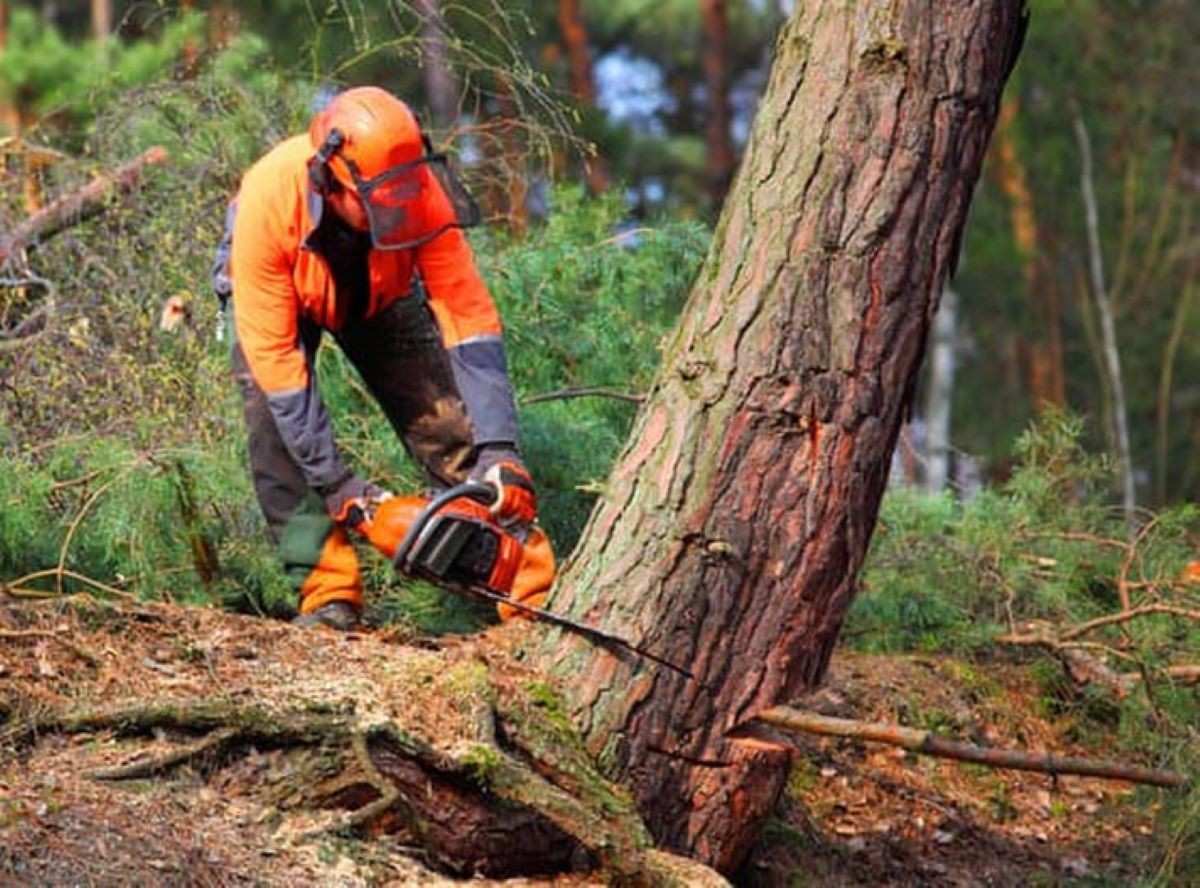
tree cutting services near me

This guide explains when same-day jobs happen, what can delay them, and how to book faster without cutting corners.

Are same-day tree cutting services actually available near most homes?

Yes, in many areas they are, especially in towns and cities with multiple local contractors. Most same-day callouts are reserved for urgent, smaller jobs or safety hazards rather than routine removals.

Availability depends on season, weather, and demand. After storms, reputable firms can be fully booked for days because they prioritise dangerous situations first.

What counts as a “same-day” tree cutting job?

When people search for “tree cutting services near me”, it usually means a crew arrives and completes the work within the same calendar day. In practice, some companies define it as attendance on the same day, with work completed immediately if conditions allow. For a better understanding of how professional tree removal services handle scheduling, urgency, and site conditions, Learn more.

Same-day work is most common for broken branches, hanging limbs, fallen trees, and partial reductions. Full removals found through “tree cutting services near me” searches can be same-day, but only if the tree is straightforward and permissions are not an issue.

Which situations are most likely to get a same-day response?

Hazards get prioritised. If a tree or limb is actively dangerous, companies are more likely to rearrange schedules or send an emergency crew.

Typical examples include limbs over roads, footpaths, roofs, power lines, or a tree that has split or uprooted. They may also respond quickly if access is blocked, such as a fallen tree across a driveway.

What factors can prevent a same-day tree cutting job?

Even when a company wants to help, several factors can slow things down. The most common blockers are legal checks, site constraints, and safety risks.

A Tree Preservation Order (TPO) or conservation area status can delay non-emergency work. Limited access for chipper trucks, cranes, or lowering gear can also add time, as can nesting birds or bats, which require extra care and sometimes specialist advice.

Do they need permission to cut a tree the same day?

Sometimes, yes. If a tree is protected by a TPO or sits in a conservation area, the contractor may need approval before carrying out non-urgent work.

There are exceptions for genuine emergencies, such as removing immediate danger, but proof is important. Good contractors document the hazard with photos, explain what was necessary, and keep the work proportionate to the risk.
tree cutting services near me

Can they cut a tree the same day if it’s near power lines?

They may be able to, but it becomes more complicated. Work near overhead lines is high risk and may require coordination with the network operator or a specialist team with appropriate training and equipment.

If the line is involved or likely to be contacted, the safest route is often to report it first and let the contractor advise on next steps. Rushing a job near electricity is one of the biggest red flags.

How can someone get a faster quote and booking?

Speed improves when the contractor can assess the job quickly and accurately. Clear information reduces back-and-forth and helps them decide whether they can slot it in.

They can send photos from multiple angles, include an estimate of height, note obstacles (sheds, fences, conservatories), and confirm parking or rear access. Sharing the exact address helps them check conservation area maps and travel time.

What should they ask on the phone to confirm it’s truly same-day?

They should confirm both arrival time and whether the work will be completed that day. It also helps to ask what is included, because “same-day” can sometimes mean an initial visit, then scheduling the actual cutting later.

Useful questions include: who will do the work, what equipment they will bring, whether waste removal is included, and whether they are insured for tree work. If the job is urgent, they can ask how the contractor prioritises emergency callouts.

How much more does same-day tree cutting typically cost?

It often costs more, but not always. Emergency callouts and out-of-hours work usually carry a premium because crews must reshuffle jobs, work longer hours, or deploy extra staff.

Cost depends on the size of the tree, complexity, risk, and disposal. A small fallen limb can be affordable even on the same day, while a large dismantle over property can become expensive quickly due to labour and specialist rigging.

What’s the difference between tree cutting, pruning, and removal for same-day jobs?

“Tree cutting” is a broad term and can mean anything from trimming limbs to full removal. Same-day pruning or reductions are common when the work is light and access is easy.

Full removal takes longer, requires more equipment, and may need stump grinding as a separate visit. If speed is the priority, they can ask for a staged approach: make safe today, then complete the remaining work later. Visit https://www.safework.nsw.gov.au/hazards-a-z/tree-trimming-removal-and-arborist-work to learn more about safe tree work.

What safety and quality checks should they never compromise on for speed?

Same-day should never mean rushed or improvised. Proper PPE, clear drop zones, controlled lowering, and competent climbing or MEWP use are non-negotiable.

They should avoid anyone offering to “just fell it” in a tight space without rigging plans. Reputable contractors explain the method, identify risks, and will refuse unsafe requests even if the customer is stressed or in a hurry.

How can they spot a reliable local tree cutting service quickly?

Reliable firms communicate clearly, ask the right questions, and do not pressure for cash-only decisions. They should be able to provide proof of insurance and a written quote, even for urgent work.

Good signs include professional equipment, a clear plan for waste removal, and realistic timing. Bad signs include vague pricing, reluctance to discuss permissions, and promises that sound too easy for a complex site.
tree cutting services near me

Is same-day tree cutting worth it, or should they schedule ahead?

They should look for a crew that explains their method clearly and does not default to ‘we’ll just drop it.’ If there is an active hazard, same-day work can prevent damage and reduce risk to people and property. For non-urgent pruning or planned removals, scheduling ahead usually gets better pricing and more choice of contractors. Tree cutting services on sloped blocks can involve extra access, safety, and equipment considerations that owners should understand before booking.

A sensible middle ground is a “make-safe” visit the same day, followed by a booked date for full works. That approach protects safety while keeping cost and planning under control.

FAQs (Frequently Asked Questions)

Are same-day tree cutting services commonly available near residential areas?

Yes, many towns and cities have local contractors offering same-day tree cutting services, especially for urgent or safety-related jobs. Availability depends on factors like season, weather, and demand, with priority given to hazardous situations after storms.

What situations typically qualify for a same-day tree cutting response?

Same-day responses are prioritised for hazards such as limbs over roads, footpaths, roofs, power lines, split or uprooted trees, and blocked access like fallen trees across driveways. Urgent safety concerns receive faster attention from contractors.

Can a tree be cut the same day if it is protected by a Tree Preservation Order (TPO) or located in a conservation area?

Permission is sometimes required before non-emergency work can proceed on protected trees. However, genuine emergencies posing immediate danger may allow same-day removal with proper documentation and proportionate action by reputable contractors.

Is it possible to get same-day tree cutting service near power lines?

Work near overhead power lines is high risk and often requires coordination with the network operator or specialist teams. Contractors may advise reporting the issue first to ensure safety rather than rushing the job near electricity.

How can customers expedite their quote and booking for same-day tree cutting services?

Providing clear information helps contractors assess jobs quickly. Customers should send photos from multiple angles, estimate tree height, note obstacles and access details, and share the exact address to check permits and travel time for faster booking.

What safety measures should never be compromised when opting for same-day tree cutting?

Safety must never be rushed; proper PPE, clear drop zones, controlled lowering techniques, and competent use of climbing gear or MEWPs are essential. Reputable contractors will refuse unsafe requests even under time pressure to ensure quality and safety standards.
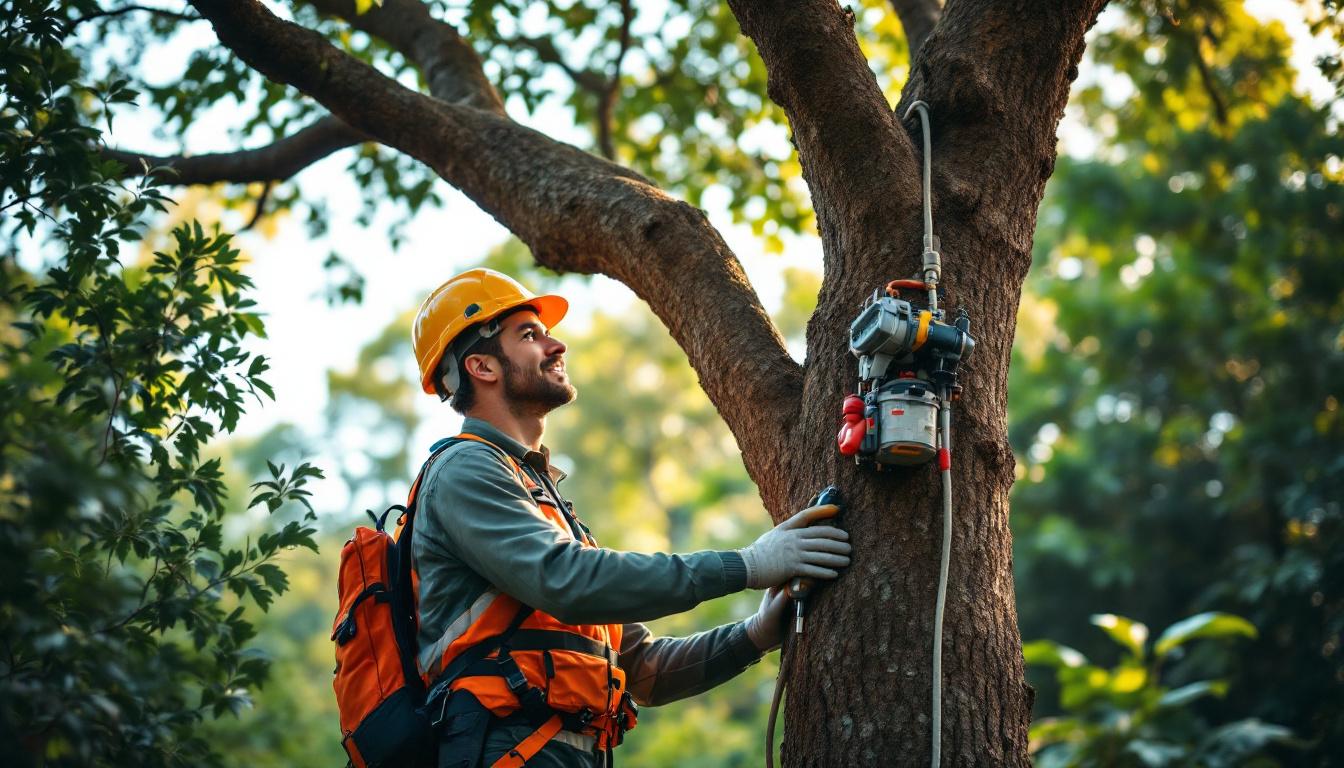
Categories: Tree Removal Sydney

What To Expect From Tree Cutting Services On Sloped Blocks

tree loppers

Most reputable crews will treat a slope as a higher risk site from the first call. That usually means a site visit, clearer exclusions in the quote, and a work method that prioritises control rather than speed.

What makes tree cutting on sloped blocks different?

For tree loppers, slopes reduce footing, restrict machinery access, and increase the chance of rolling logs and uncontrolled branch movement. They can also limit where crews can safely drop sections, stack timber, and feed a chipper. Because of these added risks, it is important to rely on experienced professionals for safe and controlled work on difficult terrain. Click here.

A sloped site often forces a dismantle and lower approach instead of a straight felling cut. That typically adds labour, time, and equipment.

How do they assess the site before quoting?

They usually check slope steepness, ground conditions, and access for people and machines. They also look at the tree’s lean, height, canopy weight distribution, and any signs of defects like decay, cavities, or deadwood.

They will identify targets and hazards: homes, fences, retaining walls, powerlines, gardens, pools, and neighbouring structures. Expect questions about boundaries, easements, and whether they can enter adjoining property if needed.

Will they fell the tree in one piece or remove it in sections?

On sloped blocks, they commonly remove trees in sections to keep control of where timber goes. If there is limited drop zone or a strong downhill fall line, sectional dismantling is usually the safer option.

They may climb, use ropes, or use an elevated work platform if access allows. In many cases they will rig limbs and trunk pieces so they can be lowered and guided away from downhill hazards.

What safety measures should they put in place on a slope?

They should set up exclusion zones and a clear plan for controlling rolling debris. On steeper ground, they may use additional spotters, tag lines, and rigging to prevent pieces swinging or accelerating downhill.

They should also manage slip and trip risks with good housekeeping, stable work positions, and equipment placed where it cannot slide. A professional crew will explain where people can and cannot stand, including household members.

What equipment might they bring for steep or limited access sites?

They may bring rigging gear, lowering devices, ropes, pulleys, and friction brakes to control loads. For access, they might use climbing systems or an EWP where the ground and entry allow it.

Expect chippers, saws, wedges, and sometimes winches to pull sections away from hazards. On tight driveways or soft ground, they may choose smaller machines and more manual handling to avoid damage.

How do they protect retaining walls, gardens, and structures downhill?

They should plan the drop zone, then rig material so it lands where it can be controlled and cleaned up. If the slope runs towards a retaining wall or house, they will often avoid free dropping altogether.

They may use lowering, redirect rigging, or controlled swings to a safe landing area. They should also discuss what cannot be fully protected, such as minor lawn disturbance, especially when moving heavy wood by hand.

tree loppers

What happens with the branches, logs, and stump on a sloped block?

They typically chip small branches and stack or remove larger timber. On steep sites, carrying timber uphill can be slow, so they may suggest cutting logs into shorter lengths or staging wood in safer piles.

Stump grinding on a slope is sometimes possible, but access and machine stability matter. If grinding is not viable, they may offer stump poisoning, cutting low to the ground, or grinding only where a machine can sit safely.

Other Resources : Working with and handling treated timber safely | EPA

How long should the job take and what affects the timeline?

Time is driven by access, slope steepness, tree size, and whether they must rig every piece. Weather can also change everything, as wet ground can become unsafe or prevent machinery from entering.

They should provide a realistic window rather than a firm minute-by-minute schedule. On sloped blocks, it is normal for set-up and clean-up to take longer than expected.

Why do quotes often cost more on sloped blocks?

Higher costs usually reflect extra labour, slower material handling, and added safety controls. Rigging and sectional dismantling also increase time on saw and time in the tree.

If they need traffic control, powerline clearance coordination, or a specialised access method, the price rises again. A good quote will spell out what is included, such as chipping, green waste removal, and stump work.

What should they confirm before the crew starts cutting?

They should confirm exactly which trees are included and where waste will go. They should also confirm access points, gate widths, parking, and where equipment can be placed without blocking neighbours.

They should discuss permissions if required, including council rules or protected tree requirements. They should also confirm who is responsible for repairs if pre-existing issues exist, such as unstable retaining walls or failing fences.

What should they expect after the tree is removed?

They should expect a final clean-up of sawdust, leaves, and debris in the agreed work area. On sloped ground, some leaf litter may travel downhill, so they may recommend a quick rinse or sweep after the crew leaves.

They should also receive advice on regrowth risks, replacement planting, or whether neighbouring trees may now be more exposed to wind. If the tree was part of a stabilising root system, they may suggest monitoring the slope after heavy rain.

tree loppers

How can they choose a tree cutting service that is suited to sloped terrain?

They should look for a crew that explains their method clearly and does not default to ‘we’ll just drop it.’ A capable provider will talk about rigging, drop zones, and how they will stop timber rolling downhill. Same-day tree cutting services can be possible when the crew has availability, but access, tree size, and site risk usually determine how quickly the work can be scheduled.

They should also ask whether waste removal, stump work, and site protection are included in writing. On sloped blocks, clarity in the scope matters as much as the cutting itself.

FAQs (Frequently Asked Questions)

What challenges make tree cutting on sloped blocks different from flat terrain?

Tree cutting on sloped blocks involves reduced footing, restricted machinery access, and increased risks of rolling logs and uncontrolled branch movement. These sites often require dismantling trees in sections rather than straightforward felling, adding labour, time, and specialised equipment to ensure safety and control.

How do professionals assess a sloped site before providing a quote for tree removal?

Professionals evaluate slope steepness, ground conditions, and access for personnel and machinery. They examine the tree’s lean, height, canopy weight distribution, and check for defects like decay or deadwood. Identifying nearby hazards such as homes, fences, powerlines, and gardens is essential to plan safe operations and clarify boundaries or easements.

Why is sectional dismantling preferred over single-piece felling on sloped blocks?

Sectional dismantling is safer on slopes because it allows crews to control where timber lands, especially when drop zones are limited or there is a strong downhill fall line. Techniques like climbing, rigging limbs with ropes or pulleys, and using elevated work platforms help lower pieces carefully away from hazards.

What safety measures are implemented during tree cutting on steep slopes?

Safety protocols include establishing exclusion zones, managing rolling debris with spotters and rigging equipment like tag lines and lowering devices. Crews maintain good housekeeping to prevent slips or trips, ensure stable working positions, and clearly communicate safe standing areas to all present including household members.

How do crews protect retaining walls, gardens, and structures located downhill during tree removal?

Crews plan precise drop zones and use rigging methods such as lowering or redirecting timber swings to avoid damage. Free dropping is often avoided near sensitive areas. They also communicate any unavoidable minor disturbances like lawn damage due to manual wood handling to manage expectations.

Why are quotes for tree cutting on sloped blocks generally higher than flat sites?

Higher costs reflect additional labour for slower material handling, extra safety controls like rigging gear and spotters, longer time spent dismantling trees sectionally, and possible needs for traffic control or powerline coordination. Comprehensive quotes detail inclusions such as chipping, green waste removal, and stump treatment specific to challenging terrain.

Categories: Tree Removal Sydney

Expert Arborist Services in Willoughby

tree cutting services near me

If you’re a resident of Willoughby and have trees on your property, understanding the role of an arborist is essential. Arborists are trained professionals who specialise in the care and maintenance of trees. Their expertise not only ensures the health of your trees but also helps in compliance with local regulations. This article delves into the importance of arborist services, the benefits of hiring a qualified arborist, and how to choose the right one for your needs.

Why You Need an Arborist in Willoughby

A Willoughby arborist plays a vital role in maintaining the suburb’s renowned urban forests and green spaces. Willoughby’s trees contribute greatly to its charm, but their care requires specialised expertise. Arborists ensure these trees remain healthy and safe within an urban environment by providing essential services such as pruning, disease management, and risk assessments.

Hiring a qualified Willoughby arborist is also crucial for compliance with local by-laws. As noted by the Davey Resource Group, arborist reports are key documents that help property owners meet council regulations aimed at protecting urban forests. These reports often include tree care recommendations, construction protection strategies, and documentation for permit applications.

Understanding Arborist Reports

An arborist report is a comprehensive document that outlines the condition of trees on your property. It typically includes information about the tree species, health status, and recommendations for care. These reports are not only useful for homeowners but are often required by local councils when applying for permits related to tree removal or construction projects.

In Willoughby, where urban development can impact tree health, having an arborist report can safeguard your interests. It ensures that any work done on your property complies with local regulations, thus avoiding potential fines or legal issues.

Benefits of Hiring a Qualified Arborist

Engaging a qualified arborist offers numerous benefits. Firstly, they possess the expertise to identify potential issues with your trees before they become serious problems. This proactive approach can save you money in the long run by preventing costly removals or emergency interventions.

Secondly, arborists are equipped with the right tools and techniques to carry out tree care safely. Whether it’s pruning, cabling, or diagnosing diseases, their training ensures that the work is done efficiently and with minimal risk to both the trees and your property.

Enhancing Tree Health

Regular maintenance by an arborist can significantly enhance the health of your trees. They can assess the soil quality, recommend fertilisation, and provide pest management solutions. As urban environments can be challenging for trees, having a professional monitor their health is invaluable.

Moreover, a study conducted in 2023 highlighted the integration of advanced technologies, such as deep learning and UAV data, in tree assessments. This innovative approach allows arborists to evaluate tree vitality and plan maintenance tasks more effectively, ensuring your trees receive the best care possible.

Choosing the Right Arborist in Willoughby

Finding the right arborist can seem daunting, but there are several factors to consider that can simplify the process. Start by checking their qualifications and certifications. A reputable arborist will have relevant training and be a member of professional organisations, such as the Arboricultural Association.

Next, consider their experience and specialisation. Some arborists may focus on residential tree care, while others might have expertise in commercial projects or urban forestry. It’s essential to choose one whose skills align with your specific needs.

Reading Reviews and Testimonials

Before making a decision, read reviews and testimonials from previous clients. This feedback can provide insights into the quality of their work and customer service. Additionally, don’t hesitate to ask for references. A trustworthy arborist will be happy to provide you with contacts of satisfied customers.

Another important aspect is to obtain multiple quotes. This not only helps you understand the market rate for services but also allows you to gauge the professionalism of the arborists you’re considering. Be wary of quotes that seem too low; they may indicate a lack of experience or hidden costs. You may like to visit https://marloweandthemix.com/wahroonga-tree-services-your-local-experts-for-tree-care/ to get more about Wahroonga Tree Services: Your Local Experts for Tree Care.

Technological Advancements in Arboriculture

The arborist industry is evolving, with technology playing a significant role in enhancing tree care services. For instance, the introduction of AI tools like Real ArboStar Intelligence has revolutionised how arborists operate. This AI assistant has reportedly reduced quoting mistakes by 40% and increased job capacity by 22%, making the entire process more efficient.

Moreover, the use of software solutions for tree management is on the rise. In 2023, over 1,000 municipalities and private firms in the U.S. utilised arborist software for risk assessment and maintenance, highlighting the trend towards digital platforms in the industry. In Willoughby, adopting such technologies can streamline tree management and ensure that your trees receive timely care.

Willoughby arborist

Benefits of Digital Platforms

Digital platforms offer a range of benefits, from simplifying communication between arborists and clients to providing detailed records of tree care history. These platforms can also facilitate better planning and scheduling, ensuring that maintenance tasks are carried out at the optimal times for tree health.

As the arborist software market continues to grow, with web-based solutions accounting for 62% of deployments, it’s clear that technology is becoming integral to effective tree management. Embracing these advancements can enhance the quality of care your trees receive.

Conclusion: Investing in Arborist Services

Investing in professional arborist services in Willoughby is not just about maintaining the beauty of your property; it’s about ensuring the health and longevity of your trees. With the right arborist, you can navigate local regulations, enhance tree vitality, and leverage the latest technologies for optimal care.

Whether you need a simple tree assessment or comprehensive maintenance services, engaging a qualified arborist is a decision that pays dividends in the long run. By prioritising tree health, you contribute to the overall well-being of your community’s urban forest, ensuring that Willoughby remains a green and vibrant place to live.

For more information on arborist services in Willoughby, consider reaching out to local professionals who can provide tailored advice and solutions for your tree care needs.

Categories: Tree Removal Sydney

What Impacts Tree Removal Sydney Cost and How to Budget Wisely

tree removal sydney

Trees are important in Sydney’s urban environment, adding beauty and helping the ecosystem. Property owners must make important choices about taking care of or removing trees to keep their homes safe and maintain their property’s worth.

How Much Does Tree Removal Cost In Sydney?

The cost of removing a tree in Sydney usually falls between $300 and $3,000+, but it can vary based on several factors:

  • The size and type of tree
  • How easy it is to access the location
  • The equipment needed for the job
  • Any permits required by the local council
  • If there are any emergency situations involved

Why Should You Hire Professionals For Tree Removal?

Hiring professional tree removal Sydney services can help protect your property from potential dangers such as:

  • Branches falling during storms
  • Roots causing damage to your home’s foundation
  • Trees interfering with power lines
  • Diseases spreading to healthy plants

Making Informed Decisions About Tree Removal

Deciding to remove a tree is not something that should be taken lightly. It’s important to consider both safety requirements and your budget when making this decision. Understanding the factors that influence the cost of tree removal will help you plan better and allocate funds accordingly for these necessary services.

In this guide, we will discuss the main factors that affect tree removal costs in Sydney. We will also provide practical tips for homeowners on how to effectively budget for their tree maintenance expenses.

What Are The Key Factors That Influence Tree Removal Costs In Sydney?

Tree removal costs in Sydney vary significantly based on multiple factors that shape the complexity and scope of the job. Understanding these key elements helps property owners anticipate potential expenses and make informed decisions about their tree management needs.

1. How Does The Size And Species Of A Tree Affect Its Removal Pricing?

The physical dimensions of a tree serve as a primary cost determinant in the removal process. Professional arborists typically categorise trees into distinct size brackets:

  • Small Trees (up to 5 metres): $300-$800
  • Medium Trees (5-10 metres): $800-$2,000
  • Large Trees (10-15 metres): $2,000-$4,000
  • Extra Large Trees (15+ metres): $4,000-$8,000+

Tree species characteristics play a crucial role in determining removal costs:

  • Hardwood Trees like Oak and Ironbark demand higher prices due to:
  • Dense wood requiring specialised cutting equipment
  • Complex branch structures necessitating careful dismantling
  • Longer processing time for wood disposal
  • Softwood Trees such as Pine and Cedar might cost less because of:
  • Lighter wood density enabling faster cutting
  • More straightforward branch patterns
  • Easier processing and disposal requirements

Species-Specific Challenges:

  • Palm trees require specialised removal techniques due to their fibrous trunk structure
  • Fig trees present challenges with their extensive root systems
  • Eucalyptus trees often need careful handling due to their unpredictable splitting patterns

The combination of size and species creates unique scenarios that influence the final cost:

  • A tall, slender palm might cost less than a shorter, spreading fig tree
  • Dense canopy structures require more time and labour for safe dismantling
  • Species with deep root systems need additional equipment and time for complete removal

These factors interact with other site-specific conditions to determine the total project cost, making each tree removal job unique in its requirements and pricing structure.

2. Why Does The Location And Accessibility Of A Tree Matter For Its Removal Costs?

The physical location of a tree creates unique challenges that directly influence removal costs in Sydney’s urban environment. Trees situated near buildings, power lines, or other structures require specialised techniques and safety measures, driving up the service price.

Proximity Challenges:

  • Trees adjacent to buildings need precise directional falling
  • Power line proximity demands expert electrical safety protocols
  • Root systems intertwined with underground utilities require careful extraction
  • Limited access spaces restrict equipment movement

In such scenarios, it’s essential to follow a comprehensive guide to managing risks during tree trimming and removal to ensure safety and efficiency.

Equipment Requirements Based on Location:

  • Crane hire for trees in tight spaces
  • Cherry pickers for elevated access
  • Rope and harness systems for steep terrain
  • Temporary protective barriers for surrounding structures

Trees in hard-to-reach locations, such as backyards with narrow access points or properties on steep slopes, necessitate additional labour and specialised equipment. The transportation of tools and removal of debris becomes more complex, requiring manual handling or smaller vehicles.

Urban settings present specific accessibility hurdles:

  1. Restricted street parking for equipment
  2. Pedestrian safety considerations
  3. Traffic management requirements
  4. Limited debris drop zones

These location-specific factors require arborists to implement comprehensive safety measures and utilise specialised equipment, reflecting in the final cost of tree removal services in Sydney.

3. How Does The Health Of A Tree Affect Its Removal Costs?

The health of a tree is a key factor in determining how much it will cost to remove. Sick or rotting trees come with their own set of problems that need special care and safety precautions.

Trees affected by diseases or pests often have:

  • Weakened structural integrity
  • Unpredictable breaking points
  • Compromised root systems
  • Potential for sudden collapse

These issues create extra dangers during removal, which means:

  • Extra safety gear
  • More workers needed
  • Special ways to contain the tree
  • Advanced tools to assess decay

In Sydney, the cost of removing dangerous trees usually goes up by 20-40% when dealing with compromised trees. Diseases like root rot or termite infestation require careful planning and execution to prevent:

  • Damage to property
  • Injury to workers
  • Spread of disease to healthy trees
  • Contamination of the environment

Professional arborists must use specific methods for infected trees:

  • Taking apart the tree section by section
  • Adding extra support
  • Putting up protective barriers
  • Implementing biosecurity measures

Dead or dying trees are immediate safety hazards and often require quick action. These emergency situations need rapid response teams and specialised equipment, resulting in higher prices for fast removal services.

tree removal sydney

4. What Types Of Tree Services Affect The Overall Cost Of Removal?

Tree removal services in Sydney encompass various options, each carrying different price points. A complete tree removal involves cutting down the entire tree and typically costs 30-50% more than basic maintenance services.

Maintenance Services vs Complete Removal:

  • Pruning: $250-$800 depending on tree size
  • Lopping: $400-$1,200 for larger trees
  • Complete Removal: $800-$4,000+ for mature trees

The pruning service, which is a part of the maintenance offerings, can vary significantly in cost based on the size of the tree.

Stump grinding represents a separate service cost after tree removal:

  • Small stumps (under 50cm): $100-$150
  • Medium stumps (50-100cm): $150-$300
  • Large stumps (over 100cm): $300-$500+

Additional Service Charges:

  • Green waste disposal: $150-$450
  • Site cleanup: $100-$200
  • Root barrier installation: $300-$800
  • Debris removal: $100-$300

Professional arborists assess each job individually, considering:

  1. Required equipment
  2. Time investment
  3. Labour requirements
  4. Disposal methods
  5. Site accessibility

The complexity of services needed directly influences the final cost. Some properties require multiple services, such as removal followed by stump grinding and root barrier installation, which creates a comprehensive service package with adjusted pricing.

5. How Do Equipment And Manpower Influence The Pricing Of Tree Removal In Sydney?

Professional tree removal services require substantial investments in specialised equipment and skilled personnel. The complexity of each job directly affects the number of workers and types of machinery needed, which impacts the final cost.

Essential Equipment Requirements:

  • Heavy-duty chainsaws and pole saws
  • Wood chippers and grinders
  • Aerial lifts and cherry pickers
  • Safety harnesses and climbing gear
  • Trucks for debris removal
  • Stump grinding machines

The rental or maintenance costs of these machines are factored into the service pricing. Larger trees might require multiple pieces of equipment operating simultaneously, increasing the overall expense.

Workforce Considerations:

  • Ground crew for debris management
  • Certified climbers for tall trees
  • Equipment operators
  • Safety supervisors
  • Traffic controllers for street-side work

Complex removals demand larger teams working in coordination. A small tree might need 2-3 workers, while large trees could require 5-7 professionals. Each additional team member increases labour costs.

The combination of machinery and workforce requirements varies based on:

  1. Tree height and spread
  2. Site accessibility
  3. Risk factors
  4. Time constraints
  5. Weather conditions

Professional tree services must maintain comprehensive insurance coverage for both equipment and personnel, which adds to their operational costs and influences service pricing. Click here to get more about what are the Green Waste Removal Rules in Sydney and Why Do They Matter?

6. Why Do Seasonal Demand And Council Regulations Play A Role In Determining Tree Removal Costs?

Tree removal costs in Sydney vary based on seasonal patterns and local council requirements. Spring and autumn see peak demand for tree services, driving prices up by 20-30%. These seasons present ideal conditions for tree work, with mild temperatures and reduced risk of storm interference.

Sydney’s Local Councils And Their Regulations

Sydney’s local councils maintain strict regulations for tree removal, requiring specific permits and documentation similar to the tree removal regulations in College Park. These include:

  • Council Permit Fees: £100-£300 depending on the area
  • Arborist Report: £200-£500 for professional assessment
  • Application Processing Time: 2-4 weeks standard waiting period

Different council areas enforce varying regulations:

  • North Shore councils require detailed environmental impact statements
  • Inner West areas mandate neighbour consultations
  • Eastern suburbs enforce heritage preservation guidelines

The Application Process And Its Impact On Costs

Property owners must factor these regulatory costs into their budgets. The application process includes:

  1. Site inspection
  2. Tree assessment documentation
  3. Neighbour notification
  4. Council review period
  5. Permit issuance

Busy periods often result in extended waiting times for both council approvals and available contractors. Property owners planning tree removal should consider scheduling work during off-peak seasons (winter months) to secure better rates and faster processing times.

The combination of seasonal demand patterns and regulatory requirements creates significant variations in the final cost of tree removal services across Sydney’s metropolitan area. It’s essential to understand these factors, much like the street tree permit process in Seattle, to better navigate the complexities of tree removal costs.

7. When Do Emergency Situations Cause An Increase In Tree Removal Expenses In Sydney?

Emergency tree removal situations in Sydney often arise from severe weather events, creating immediate safety hazards that demand swift action. These urgent scenarios typically command premium pricing due to:

Rapid Response Requirements

  • After-hours service calls
  • Weekend or public holiday attendance
  • Immediate team mobilisation
  • Priority scheduling adjustments

Storm Damage Complexities

  • Unstable tree structures requiring specialised equipment
  • Multiple point failures needing careful assessment
  • Hazardous conditions for workers
  • Risk of property damage during removal

The cost increase for emergency tree removal can range from 50% to 100% above standard rates. A tree that would normally cost $800 to remove might surge to $1,600 in emergency circumstances.

Critical Safety Factors

  • Proximity to power lines
  • Structural damage to buildings
  • Blocked access ways
  • Risk of secondary tree failures

Sydney’s coastal location makes it particularly susceptible to sudden storm events that can destabilise trees. Professional arborists must assess both the immediate danger and potential cascading risks when determining emergency removal strategies. These assessments factor into the higher costs, as does the need for additional safety equipment and personnel to manage complex extractions under time pressure.

tree removal sydney

How Can Homeowners Budget Wisely For Tree Removal In Sydney?

Smart budgeting for tree removal starts with gathering multiple quotes from certified arborists. This practice helps homeowners understand the market rates and identify potential cost variations between service providers. A minimum of three quotes creates a balanced perspective of available options.

Regular tree maintenance serves as a cost-effective strategy for Sydney homeowners:

  • Annual inspections detect early signs of disease or structural issues
  • Scheduled pruning prevents extensive damage and reduces future removal needs
  • Professional assessments help plan for future expenses

Additional budgeting strategies include:

  • Setting aside funds during storm-free periods
  • Scheduling removals during off-peak seasons
  • Checking insurance coverage for tree-related incidents
  • Investigating council permit requirements beforehand

Homeowners can also consider:

  • Bundling multiple tree services for potential discounts
  • Sharing equipment costs with neighbours for similar work
  • Maintaining detailed records of tree care for future reference

These proactive approaches help Sydney residents manage tree removal costs while ensuring proper care for their urban greenery.

Categories: Tree Removal Sydney