What To Expect From Tree Cutting Services On Sloped Blocks
Most reputable crews will treat a slope as a higher risk site from the first call. That usually means a site visit,…
Most reputable crews will treat a slope as a higher risk site from the first call. That usually means a site visit, clearer exclusions in the quote, and a work method that prioritises control rather than speed.
What makes tree cutting on sloped blocks different?
For tree loppers, slopes reduce footing, restrict machinery access, and increase the chance of rolling logs and uncontrolled branch movement. They can also limit where crews can safely drop sections, stack timber, and feed a chipper.
A sloped site often forces a dismantle and lower approach instead of a straight felling cut. That typically adds labour, time, and equipment.
How do they assess the site before quoting?
They usually check slope steepness, ground conditions, and access for people and machines. They also look at the tree’s lean, height, canopy weight distribution, and any signs of defects like decay, cavities, or deadwood.
They will identify targets and hazards: homes, fences, retaining walls, powerlines, gardens, pools, and neighbouring structures. Expect questions about boundaries, easements, and whether they can enter adjoining property if needed.
Will they fell the tree in one piece or remove it in sections?
On sloped blocks, they commonly remove trees in sections to keep control of where timber goes. If there is limited drop zone or a strong downhill fall line, sectional dismantling is usually the safer option.
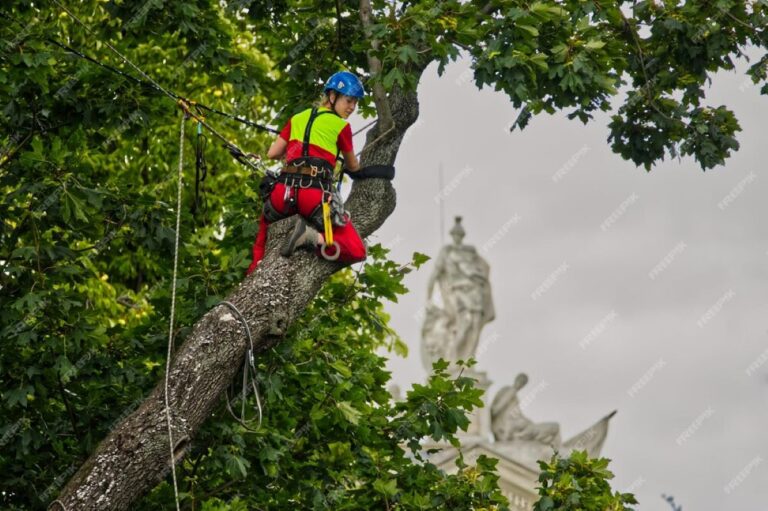
They may climb, use ropes, or use an elevated work platform if access allows. In many cases they will rig limbs and trunk pieces so they can be lowered and guided away from downhill hazards.
What safety measures should they put in place on a slope?
They should set up exclusion zones and a clear plan for controlling rolling debris. On steeper ground, they may use additional spotters, tag lines, and rigging to prevent pieces swinging or accelerating downhill.
They should also manage slip and trip risks with good housekeeping, stable work positions, and equipment placed where it cannot slide. A professional crew will explain where people can and cannot stand, including household members.
What equipment might they bring for steep or limited access sites?
They may bring rigging gear, lowering devices, ropes, pulleys, and friction brakes to control loads. For access, they might use climbing systems or an EWP where the ground and entry allow it.
Expect chippers, saws, wedges, and sometimes winches to pull sections away from hazards. On tight driveways or soft ground, they may choose smaller machines and more manual handling to avoid damage.
How do they protect retaining walls, gardens, and structures downhill?
They should plan the drop zone, then rig material so it lands where it can be controlled and cleaned up. If the slope runs towards a retaining wall or house, they will often avoid free dropping altogether.
They may use lowering, redirect rigging, or controlled swings to a safe landing area. They should also discuss what cannot be fully protected, such as minor lawn disturbance, especially when moving heavy wood by hand.

What happens with the branches, logs, and stump on a sloped block?
They typically chip small branches and stack or remove larger timber. On steep sites, carrying timber uphill can be slow, so they may suggest cutting logs into shorter lengths or staging wood in safer piles.
Stump grinding on a slope is sometimes possible, but access and machine stability matter. If grinding is not viable, they may offer stump poisoning, cutting low to the ground, or grinding only where a machine can sit safely.
Other Resources : Working with and handling treated timber safely | EPA
How long should the job take and what affects the timeline?
Time is driven by access, slope steepness, tree size, and whether they must rig every piece. Weather can also change everything, as wet ground can become unsafe or prevent machinery from entering.
They should provide a realistic window rather than a firm minute-by-minute schedule. On sloped blocks, it is normal for set-up and clean-up to take longer than expected.
Why do quotes often cost more on sloped blocks?
Higher costs usually reflect extra labour, slower material handling, and added safety controls. Rigging and sectional dismantling also increase time on saw and time in the tree.
If they need traffic control, powerline clearance coordination, or a specialised access method, the price rises again. A good quote will spell out what is included, such as chipping, green waste removal, and stump work.
What should they confirm before the crew starts cutting?
They should confirm exactly which trees are included and where waste will go. They should also confirm access points, gate widths, parking, and where equipment can be placed without blocking neighbours.
They should discuss permissions if required, including council rules or protected tree requirements. They should also confirm who is responsible for repairs if pre-existing issues exist, such as unstable retaining walls or failing fences.
What should they expect after the tree is removed?
They should expect a final clean-up of sawdust, leaves, and debris in the agreed work area. On sloped ground, some leaf litter may travel downhill, so they may recommend a quick rinse or sweep after the crew leaves.
They should also receive advice on regrowth risks, replacement planting, or whether neighbouring trees may now be more exposed to wind. If the tree was part of a stabilising root system, they may suggest monitoring the slope after heavy rain.

How can they choose a tree cutting service that is suited to sloped terrain?
They should look for a crew that explains their method clearly and does not default to “we’ll just drop it.” A capable provider will talk about rigging, drop zones, and how they will stop timber rolling downhill.
They should also ask whether waste removal, stump work, and site protection are included in writing. On sloped blocks, clarity in the scope matters as much as the cutting itself.
Related : Tree Cutting Services Near Me: Are Same-Day Jobs Possible
FAQs (Frequently Asked Questions)
What challenges make tree cutting on sloped blocks different from flat terrain?
Tree cutting on sloped blocks involves reduced footing, restricted machinery access, and increased risks of rolling logs and uncontrolled branch movement. These sites often require dismantling trees in sections rather than straightforward felling, adding labour, time, and specialised equipment to ensure safety and control.
How do professionals assess a sloped site before providing a quote for tree removal?
Professionals evaluate slope steepness, ground conditions, and access for personnel and machinery. They examine the tree’s lean, height, canopy weight distribution, and check for defects like decay or deadwood. Identifying nearby hazards such as homes, fences, powerlines, and gardens is essential to plan safe operations and clarify boundaries or easements.
Why is sectional dismantling preferred over single-piece felling on sloped blocks?
Sectional dismantling is safer on slopes because it allows crews to control where timber lands, especially when drop zones are limited or there is a strong downhill fall line. Techniques like climbing, rigging limbs with ropes or pulleys, and using elevated work platforms help lower pieces carefully away from hazards.
What safety measures are implemented during tree cutting on steep slopes?
Safety protocols include establishing exclusion zones, managing rolling debris with spotters and rigging equipment like tag lines and lowering devices. Crews maintain good housekeeping to prevent slips or trips, ensure stable working positions, and clearly communicate safe standing areas to all present including household members.
How do crews protect retaining walls, gardens, and structures located downhill during tree removal?
Crews plan precise drop zones and use rigging methods such as lowering or redirecting timber swings to avoid damage. Free dropping is often avoided near sensitive areas. They also communicate any unavoidable minor disturbances like lawn damage due to manual wood handling to manage expectations.
Why are quotes for tree cutting on sloped blocks generally higher than flat sites?
Higher costs reflect additional labour for slower material handling, extra safety controls like rigging gear and spotters, longer time spent dismantling trees sectionally, and possible needs for traffic control or powerline coordination. Comprehensive quotes detail inclusions such as chipping, green waste removal, and stump treatment specific to challenging terrain.