This guide explains when same-day jobs happen, what can delay them, and how to book faster without cutting corners.
Are same-day tree cutting services actually available near most homes?
Yes, in many areas they are, especially in towns and cities with multiple local contractors. Most same-day callouts are reserved for urgent, smaller jobs or safety hazards rather than routine removals.
Availability depends on season, weather, and demand. After storms, reputable firms can be fully booked for days because they prioritise dangerous situations first.
What counts as a “same-day” tree cutting job?
When people search for “tree cutting services near me”, it usually means a crew arrives and completes the work within the same calendar day. In practice, some companies define it as attendance on the same day, with work completed immediately if conditions allow. For a better understanding of how professional tree removal services handle scheduling, urgency, and site conditions, Learn more.
Same-day work is most common for broken branches, hanging limbs, fallen trees, and partial reductions. Full removals found through “tree cutting services near me” searches can be same-day, but only if the tree is straightforward and permissions are not an issue.
Which situations are most likely to get a same-day response?
Hazards get prioritised. If a tree or limb is actively dangerous, companies are more likely to rearrange schedules or send an emergency crew.
Typical examples include limbs over roads, footpaths, roofs, power lines, or a tree that has split or uprooted. They may also respond quickly if access is blocked, such as a fallen tree across a driveway.
What factors can prevent a same-day tree cutting job?
Even when a company wants to help, several factors can slow things down. The most common blockers are legal checks, site constraints, and safety risks.
A Tree Preservation Order (TPO) or conservation area status can delay non-emergency work. Limited access for chipper trucks, cranes, or lowering gear can also add time, as can nesting birds or bats, which require extra care and sometimes specialist advice.
Do they need permission to cut a tree the same day?
Sometimes, yes. If a tree is protected by a TPO or sits in a conservation area, the contractor may need approval before carrying out non-urgent work.
There are exceptions for genuine emergencies, such as removing immediate danger, but proof is important. Good contractors document the hazard with photos, explain what was necessary, and keep the work proportionate to the risk.
Can they cut a tree the same day if it’s near power lines?
They may be able to, but it becomes more complicated. Work near overhead lines is high risk and may require coordination with the network operator or a specialist team with appropriate training and equipment.
If the line is involved or likely to be contacted, the safest route is often to report it first and let the contractor advise on next steps. Rushing a job near electricity is one of the biggest red flags.
How can someone get a faster quote and booking?
Speed improves when the contractor can assess the job quickly and accurately. Clear information reduces back-and-forth and helps them decide whether they can slot it in.
They can send photos from multiple angles, include an estimate of height, note obstacles (sheds, fences, conservatories), and confirm parking or rear access. Sharing the exact address helps them check conservation area maps and travel time.
What should they ask on the phone to confirm it’s truly same-day?
They should confirm both arrival time and whether the work will be completed that day. It also helps to ask what is included, because “same-day” can sometimes mean an initial visit, then scheduling the actual cutting later.
Useful questions include: who will do the work, what equipment they will bring, whether waste removal is included, and whether they are insured for tree work. If the job is urgent, they can ask how the contractor prioritises emergency callouts.
How much more does same-day tree cutting typically cost?
It often costs more, but not always. Emergency callouts and out-of-hours work usually carry a premium because crews must reshuffle jobs, work longer hours, or deploy extra staff.
Cost depends on the size of the tree, complexity, risk, and disposal. A small fallen limb can be affordable even on the same day, while a large dismantle over property can become expensive quickly due to labour and specialist rigging.
What’s the difference between tree cutting, pruning, and removal for same-day jobs?
“Tree cutting” is a broad term and can mean anything from trimming limbs to full removal. Same-day pruning or reductions are common when the work is light and access is easy.
Full removal takes longer, requires more equipment, and may need stump grinding as a separate visit. If speed is the priority, they can ask for a staged approach: make safe today, then complete the remaining work later. Visit https://www.safework.nsw.gov.au/hazards-a-z/tree-trimming-removal-and-arborist-work to learn more about safe tree work.
What safety and quality checks should they never compromise on for speed?
Same-day should never mean rushed or improvised. Proper PPE, clear drop zones, controlled lowering, and competent climbing or MEWP use are non-negotiable.
They should avoid anyone offering to “just fell it” in a tight space without rigging plans. Reputable contractors explain the method, identify risks, and will refuse unsafe requests even if the customer is stressed or in a hurry.
How can they spot a reliable local tree cutting service quickly?
Reliable firms communicate clearly, ask the right questions, and do not pressure for cash-only decisions. They should be able to provide proof of insurance and a written quote, even for urgent work.
Good signs include professional equipment, a clear plan for waste removal, and realistic timing. Bad signs include vague pricing, reluctance to discuss permissions, and promises that sound too easy for a complex site.
Is same-day tree cutting worth it, or should they schedule ahead?
They should look for a crew that explains their method clearly and does not default to ‘we’ll just drop it.’ If there is an active hazard, same-day work can prevent damage and reduce risk to people and property. For non-urgent pruning or planned removals, scheduling ahead usually gets better pricing and more choice of contractors. Tree cutting services on sloped blocks can involve extra access, safety, and equipment considerations that owners should understand before booking.
A sensible middle ground is a “make-safe” visit the same day, followed by a booked date for full works. That approach protects safety while keeping cost and planning under control.
FAQs (Frequently Asked Questions)
Are same-day tree cutting services commonly available near residential areas?
Yes, many towns and cities have local contractors offering same-day tree cutting services, especially for urgent or safety-related jobs. Availability depends on factors like season, weather, and demand, with priority given to hazardous situations after storms.
What situations typically qualify for a same-day tree cutting response?
Same-day responses are prioritised for hazards such as limbs over roads, footpaths, roofs, power lines, split or uprooted trees, and blocked access like fallen trees across driveways. Urgent safety concerns receive faster attention from contractors.
Can a tree be cut the same day if it is protected by a Tree Preservation Order (TPO) or located in a conservation area?
Permission is sometimes required before non-emergency work can proceed on protected trees. However, genuine emergencies posing immediate danger may allow same-day removal with proper documentation and proportionate action by reputable contractors.
Is it possible to get same-day tree cutting service near power lines?
Work near overhead power lines is high risk and often requires coordination with the network operator or specialist teams. Contractors may advise reporting the issue first to ensure safety rather than rushing the job near electricity.
How can customers expedite their quote and booking for same-day tree cutting services?
Providing clear information helps contractors assess jobs quickly. Customers should send photos from multiple angles, estimate tree height, note obstacles and access details, and share the exact address to check permits and travel time for faster booking.
What safety measures should never be compromised when opting for same-day tree cutting?
Safety must never be rushed; proper PPE, clear drop zones, controlled lowering techniques, and competent use of climbing gear or MEWPs are essential. Reputable contractors will refuse unsafe requests even under time pressure to ensure quality and safety standards.
Most reputable crews will treat a slope as a higher risk site from the first call. That usually means a site visit, clearer exclusions in the quote, and a work method that prioritises control rather than speed.
What makes tree cutting on sloped blocks different?
For tree loppers, slopes reduce footing, restrict machinery access, and increase the chance of rolling logs and uncontrolled branch movement. They can also limit where crews can safely drop sections, stack timber, and feed a chipper. Because of these added risks, it is important to rely on experienced professionals for safe and controlled work on difficult terrain. Click here.
A sloped site often forces a dismantle and lower approach instead of a straight felling cut. That typically adds labour, time, and equipment.
How do they assess the site before quoting?
They usually check slope steepness, ground conditions, and access for people and machines. They also look at the tree’s lean, height, canopy weight distribution, and any signs of defects like decay, cavities, or deadwood.
They will identify targets and hazards: homes, fences, retaining walls, powerlines, gardens, pools, and neighbouring structures. Expect questions about boundaries, easements, and whether they can enter adjoining property if needed.
Will they fell the tree in one piece or remove it in sections?
On sloped blocks, they commonly remove trees in sections to keep control of where timber goes. If there is limited drop zone or a strong downhill fall line, sectional dismantling is usually the safer option.
They may climb, use ropes, or use an elevated work platform if access allows. In many cases they will rig limbs and trunk pieces so they can be lowered and guided away from downhill hazards.
What safety measures should they put in place on a slope?
They should set up exclusion zones and a clear plan for controlling rolling debris. On steeper ground, they may use additional spotters, tag lines, and rigging to prevent pieces swinging or accelerating downhill.
They should also manage slip and trip risks with good housekeeping, stable work positions, and equipment placed where it cannot slide. A professional crew will explain where people can and cannot stand, including household members.
What equipment might they bring for steep or limited access sites?
They may bring rigging gear, lowering devices, ropes, pulleys, and friction brakes to control loads. For access, they might use climbing systems or an EWP where the ground and entry allow it.
Expect chippers, saws, wedges, and sometimes winches to pull sections away from hazards. On tight driveways or soft ground, they may choose smaller machines and more manual handling to avoid damage.
How do they protect retaining walls, gardens, and structures downhill?
They should plan the drop zone, then rig material so it lands where it can be controlled and cleaned up. If the slope runs towards a retaining wall or house, they will often avoid free dropping altogether.
They may use lowering, redirect rigging, or controlled swings to a safe landing area. They should also discuss what cannot be fully protected, such as minor lawn disturbance, especially when moving heavy wood by hand.
What happens with the branches, logs, and stump on a sloped block?
They typically chip small branches and stack or remove larger timber. On steep sites, carrying timber uphill can be slow, so they may suggest cutting logs into shorter lengths or staging wood in safer piles.
Stump grinding on a slope is sometimes possible, but access and machine stability matter. If grinding is not viable, they may offer stump poisoning, cutting low to the ground, or grinding only where a machine can sit safely.
How long should the job take and what affects the timeline?
Time is driven by access, slope steepness, tree size, and whether they must rig every piece. Weather can also change everything, as wet ground can become unsafe or prevent machinery from entering.
They should provide a realistic window rather than a firm minute-by-minute schedule. On sloped blocks, it is normal for set-up and clean-up to take longer than expected.
Why do quotes often cost more on sloped blocks?
Higher costs usually reflect extra labour, slower material handling, and added safety controls. Rigging and sectional dismantling also increase time on saw and time in the tree.
If they need traffic control, powerline clearance coordination, or a specialised access method, the price rises again. A good quote will spell out what is included, such as chipping, green waste removal, and stump work.
What should they confirm before the crew starts cutting?
They should confirm exactly which trees are included and where waste will go. They should also confirm access points, gate widths, parking, and where equipment can be placed without blocking neighbours.
They should discuss permissions if required, including council rules or protected tree requirements. They should also confirm who is responsible for repairs if pre-existing issues exist, such as unstable retaining walls or failing fences.
What should they expect after the tree is removed?
They should expect a final clean-up of sawdust, leaves, and debris in the agreed work area. On sloped ground, some leaf litter may travel downhill, so they may recommend a quick rinse or sweep after the crew leaves.
They should also receive advice on regrowth risks, replacement planting, or whether neighbouring trees may now be more exposed to wind. If the tree was part of a stabilising root system, they may suggest monitoring the slope after heavy rain.
How can they choose a tree cutting service that is suited to sloped terrain?
They should look for a crew that explains their method clearly and does not default to ‘we’ll just drop it.’ A capable provider will talk about rigging, drop zones, and how they will stop timber rolling downhill. Same-day tree cutting services can be possible when the crew has availability, but access, tree size, and site risk usually determine how quickly the work can be scheduled.
They should also ask whether waste removal, stump work, and site protection are included in writing. On sloped blocks, clarity in the scope matters as much as the cutting itself.
FAQs (Frequently Asked Questions)
What challenges make tree cutting on sloped blocks different from flat terrain?
Tree cutting on sloped blocks involves reduced footing, restricted machinery access, and increased risks of rolling logs and uncontrolled branch movement. These sites often require dismantling trees in sections rather than straightforward felling, adding labour, time, and specialised equipment to ensure safety and control.
How do professionals assess a sloped site before providing a quote for tree removal?
Professionals evaluate slope steepness, ground conditions, and access for personnel and machinery. They examine the tree’s lean, height, canopy weight distribution, and check for defects like decay or deadwood. Identifying nearby hazards such as homes, fences, powerlines, and gardens is essential to plan safe operations and clarify boundaries or easements.
Why is sectional dismantling preferred over single-piece felling on sloped blocks?
Sectional dismantling is safer on slopes because it allows crews to control where timber lands, especially when drop zones are limited or there is a strong downhill fall line. Techniques like climbing, rigging limbs with ropes or pulleys, and using elevated work platforms help lower pieces carefully away from hazards.
What safety measures are implemented during tree cutting on steep slopes?
Safety protocols include establishing exclusion zones, managing rolling debris with spotters and rigging equipment like tag lines and lowering devices. Crews maintain good housekeeping to prevent slips or trips, ensure stable working positions, and clearly communicate safe standing areas to all present including household members.
How do crews protect retaining walls, gardens, and structures located downhill during tree removal?
Crews plan precise drop zones and use rigging methods such as lowering or redirecting timber swings to avoid damage. Free dropping is often avoided near sensitive areas. They also communicate any unavoidable minor disturbances like lawn damage due to manual wood handling to manage expectations.
Why are quotes for tree cutting on sloped blocks generally higher than flat sites?
Higher costs reflect additional labour for slower material handling, extra safety controls like rigging gear and spotters, longer time spent dismantling trees sectionally, and possible needs for traffic control or powerline coordination. Comprehensive quotes detail inclusions such as chipping, green waste removal, and stump treatment specific to challenging terrain.
They are small, affordable, easy to hand out, and likely to stick around for years. Done well, they keep a company name in someone’s hand at the exact moment they are relaxed, social, and paying attention.
Why do custom bottle openers get used more than most freebies?
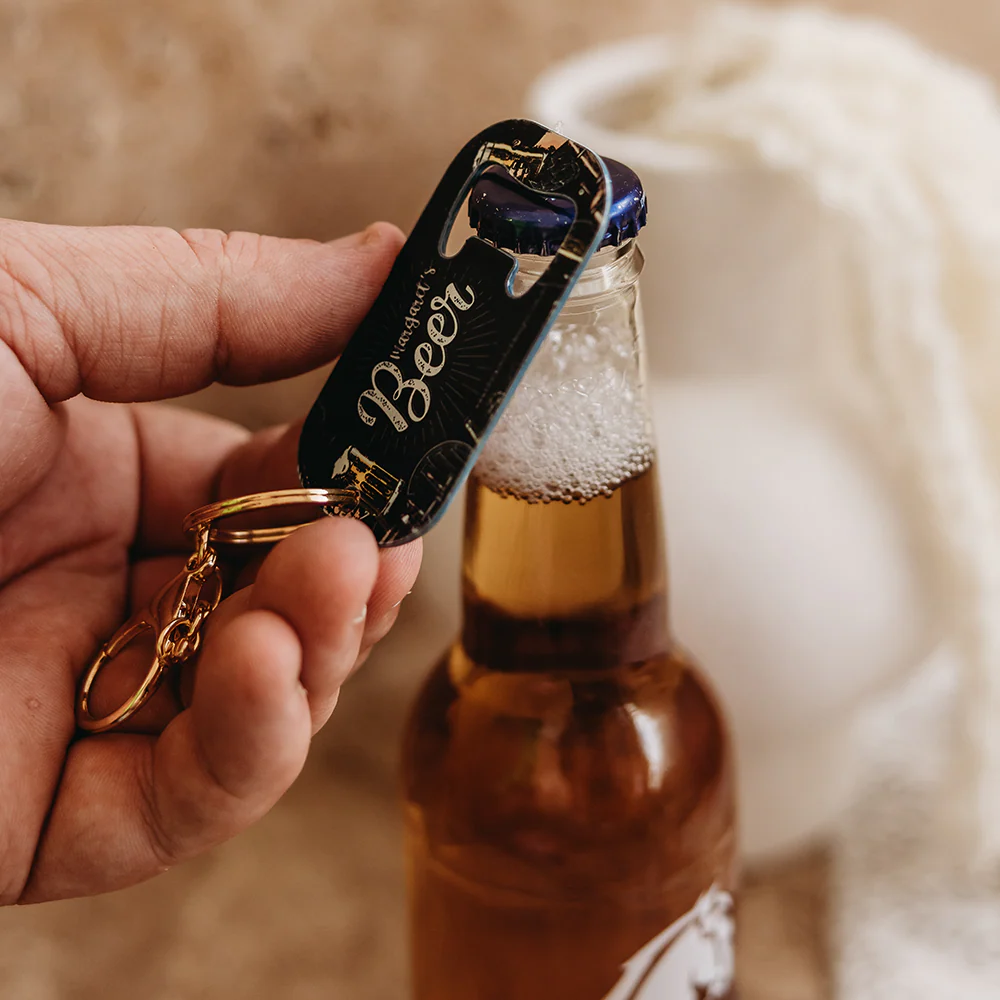
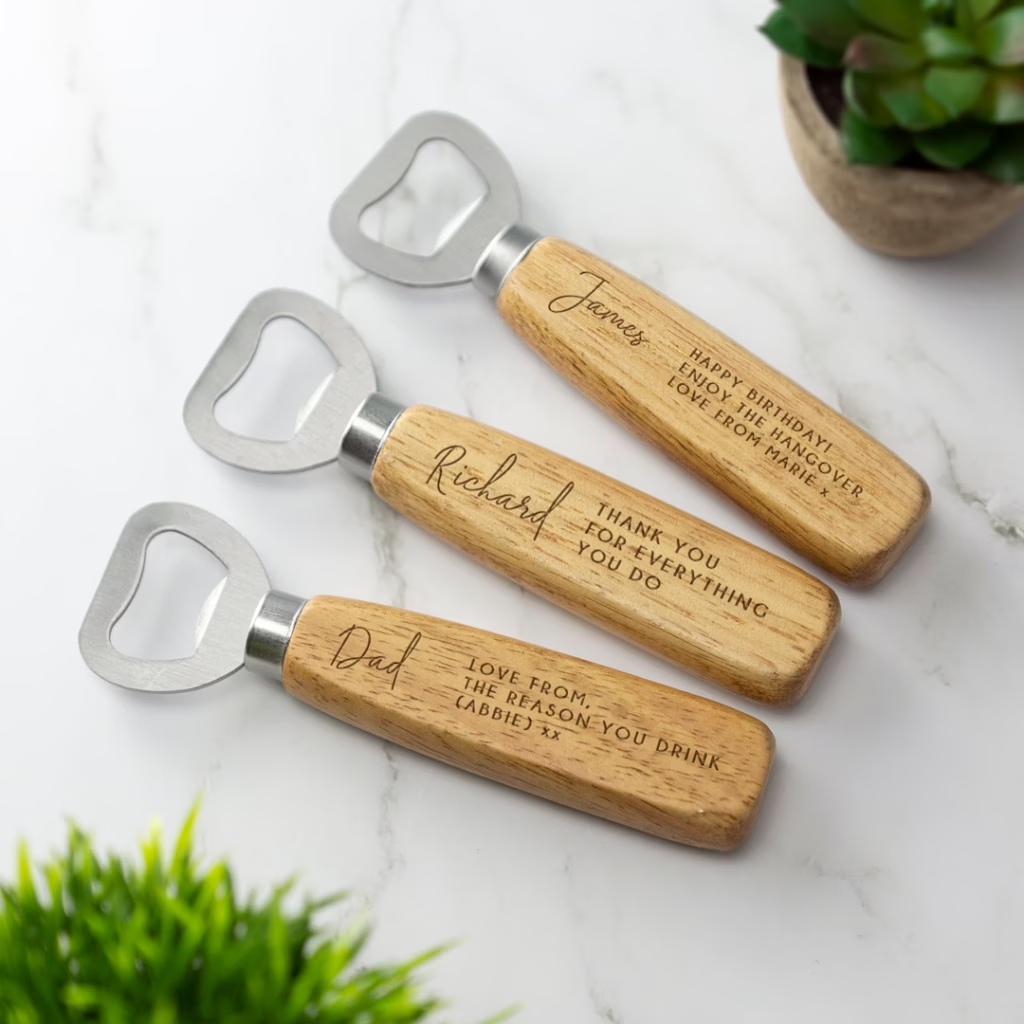
Custom Bottle Openers solve a simple, common problem: opening a bottle quickly. That makes them more practical than many branded items that end up in a drawer after the event.
Because they are tied to everyday moments like barbecues, parties, picnics, or kitchen use, they are less likely to be thrown away. The more often they are used, the more often the branding is seen.
How do bottle openers keep a brand visible for longer?
A bottle opener has staying power because it does not go out of date. Unlike flyers, brochures, or seasonal giveaways, it remains useful year after year.
When people keep one at home, in a bag, or on a keyring, the logo becomes part of their routine. That repeated exposure builds familiarity, which is often the real goal of promotional marketing.
Why are custom bottle openers cost-effective for marketing?
They offer a low cost per impression. A single opener can be used hundreds of times, meaning the brand message is seen repeatedly without extra spend.
They also scale well. Companies can order in bulk for large events or choose premium finishes for VIP gifting without changing the core product concept.
What makes bottle openers easy to distribute at events?
They are compact, lightweight, and simple to pack in large quantities. That makes them ideal for trade shows, conferences, festivals, and product launches.
They also work well as an “add-on” item. Brands can drop them into tote bags, attach them to lanyards, or hand them out at a stand without slowing down footfall.
How can customisation make them feel less generic?
Small design choices can make a big difference. Shape, colour, finish, and print style can align the opener with a brand’s tone, whether that is playful, premium, minimal, or bold.
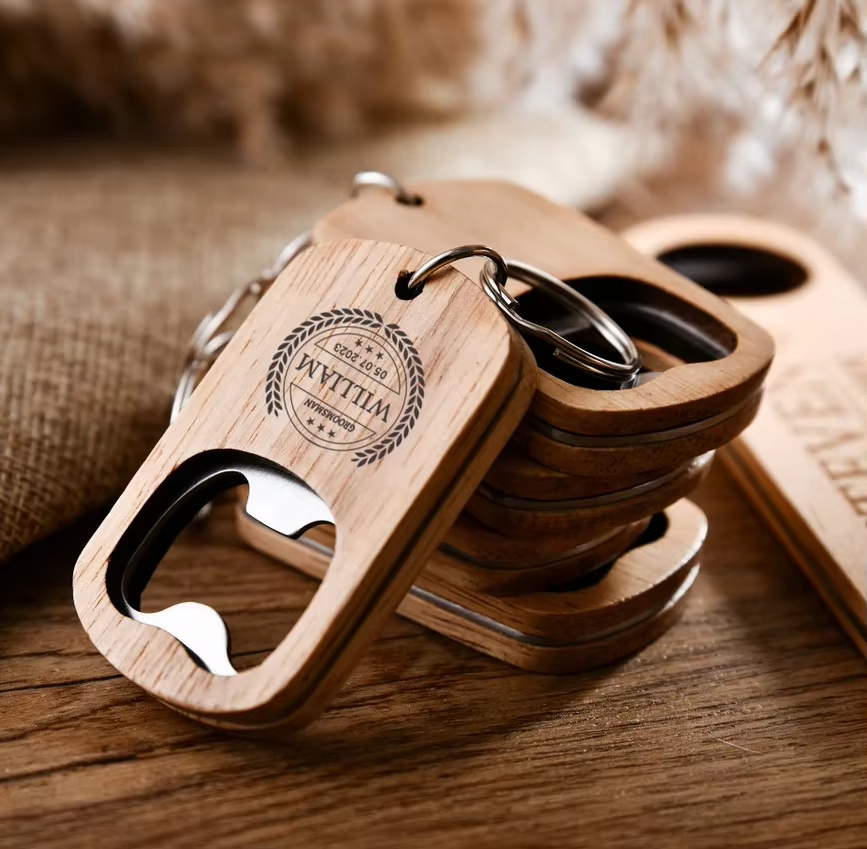
Practical customisation helps too. Adding a keyring loop, magnet backing, or multi-tool feature can increase the chance someone keeps it, which protects the marketing value.
Which industries benefit most from promotional bottle openers?
Food and drink brands are the obvious fit, but they are far from the only option. Hospitality, events, travel, and lifestyle companies can all connect naturally to the product.
They also suit trades and services. A local business that wants long-term visibility in homes, such as removals, plumbing, or home improvements, can benefit from an item that lives in a kitchen drawer.
Why do they work well as corporate gifts or staff items?
They feel casual enough to be approachable, but they can still be made to look premium. A metal opener with clean branding can sit comfortably in a gift box without feeling cheap.
They also work well for internal culture. Staff welcome packs, team events, and milestone gifts become more memorable when the item is something people will actually use outside work. See who should use custom sweatbands in Australia for promotions.
How do brands choose the right style of custom bottle opener?
They should start with how the audience will use it. Keyring styles suit on-the-go use, magnetic openers suit home kitchens, and bar blade styles suit hospitality settings.
The branding area matters too. If the logo is detailed, a larger print area and higher-quality method may be needed to keep it sharp and readable.
What should companies watch out for before ordering?
Quality is crucial because a flimsy opener reflects badly on the brand. They should prioritise sturdy materials, clean edges, and reliable opening performance.
They should also confirm practical details early, including branding method, colour matching, lead times, and packaging. A well-made opener with clear branding beats a complex design on a weak product.
Why are custom bottle openers a practical choice overall?
They combine usefulness, longevity, and easy distribution in a way few promotional products can match. That practicality turns a simple item into repeated brand visibility.
When companies choose a durable design and thoughtful customisation, bottle openers become less like advertising and more like something people are glad to keep.
FAQs (Frequently Asked Questions)
Why are custom bottle openers more effective than other promotional freebies?
Custom bottle openers address a simple, common need—opening bottles quickly—making them more practical and likely to be used regularly compared to many branded items that often end up forgotten in drawers after events.
How do custom bottle openers help maintain long-term brand visibility?
Because bottle openers remain useful year after year and don’t go out of date, they stay in homes, bags, or on keyrings. This repeated use embeds the logo into users’ daily routines, building familiarity and extending brand exposure over time.
What makes custom bottle openers a cost-effective marketing tool?
They offer a low cost per impression since a single opener can be used hundreds of times, allowing brands to achieve repeated visibility without additional spending. They also scale well for bulk orders or premium gifting without altering the core product concept.
Why are custom bottle openers ideal for distribution at events?
Their compact size, lightweight nature, and ease of packing make them perfect for handing out at trade shows, conferences, festivals, and product launches. They can also be added as convenient extras in tote bags or attached to lanyards without disrupting event flow.
How can customisation enhance the appeal of promotional bottle openers?
Tailoring design elements like shape, colour, finish, and print style helps align the opener with a brand’s personality—whether playful, premium, minimal, or bold. Practical features such as keyring loops or magnetic backs increase retention and protect marketing value.
Which industries benefit most from using promotional custom bottle openers?
While food and drink brands are a natural fit, hospitality, events, travel, lifestyle companies, as well as trades like removals, plumbing or home improvements benefit greatly by providing an item that enjoys long-term presence in customers’ homes.
In Australia, they suit the outdoors, sport-first lifestyle and the constant calendar of runs, festivals, competitions, and community days. The real question is not whether sweatbands “work”, but who gets the most value from them.
Who benefits most from custom sweatbands as a promotional item?
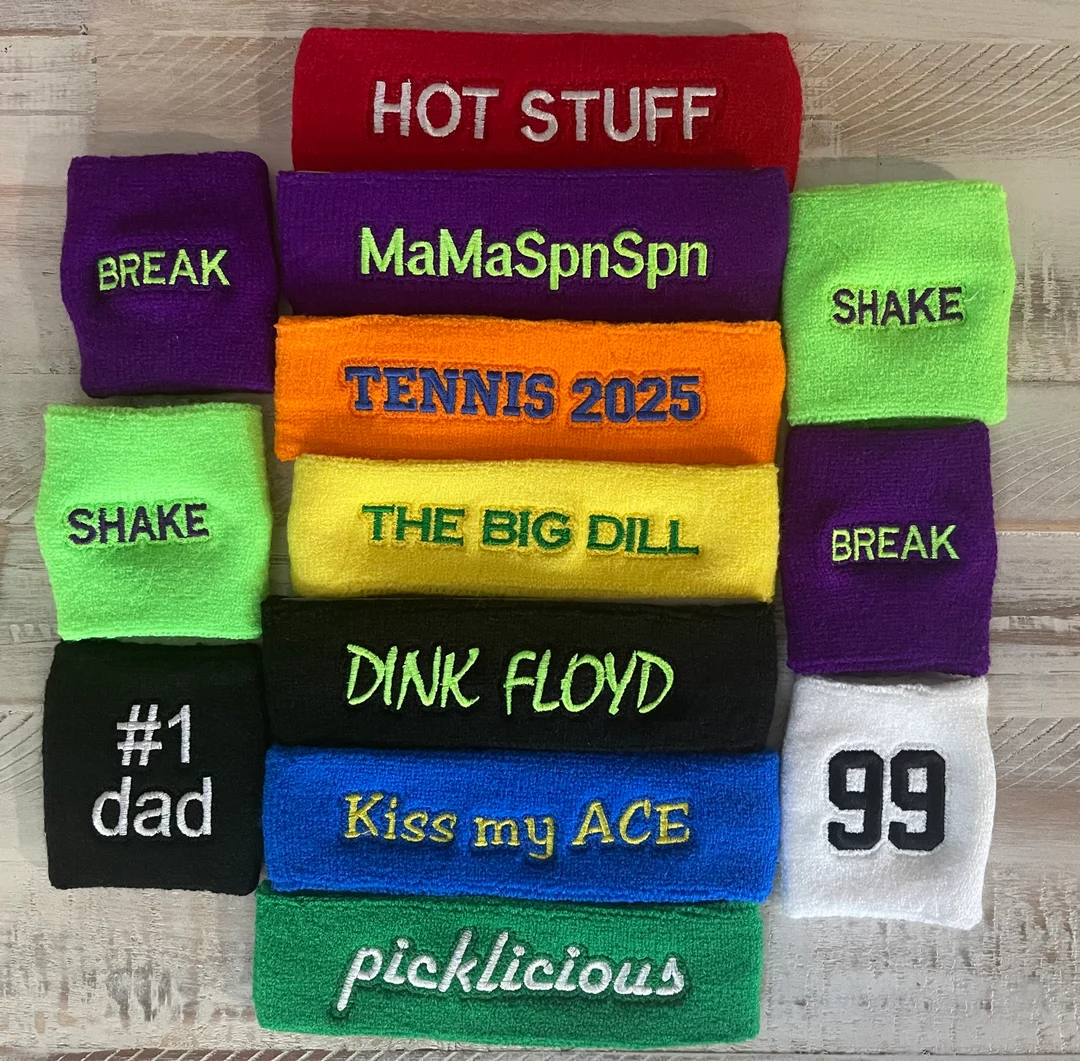
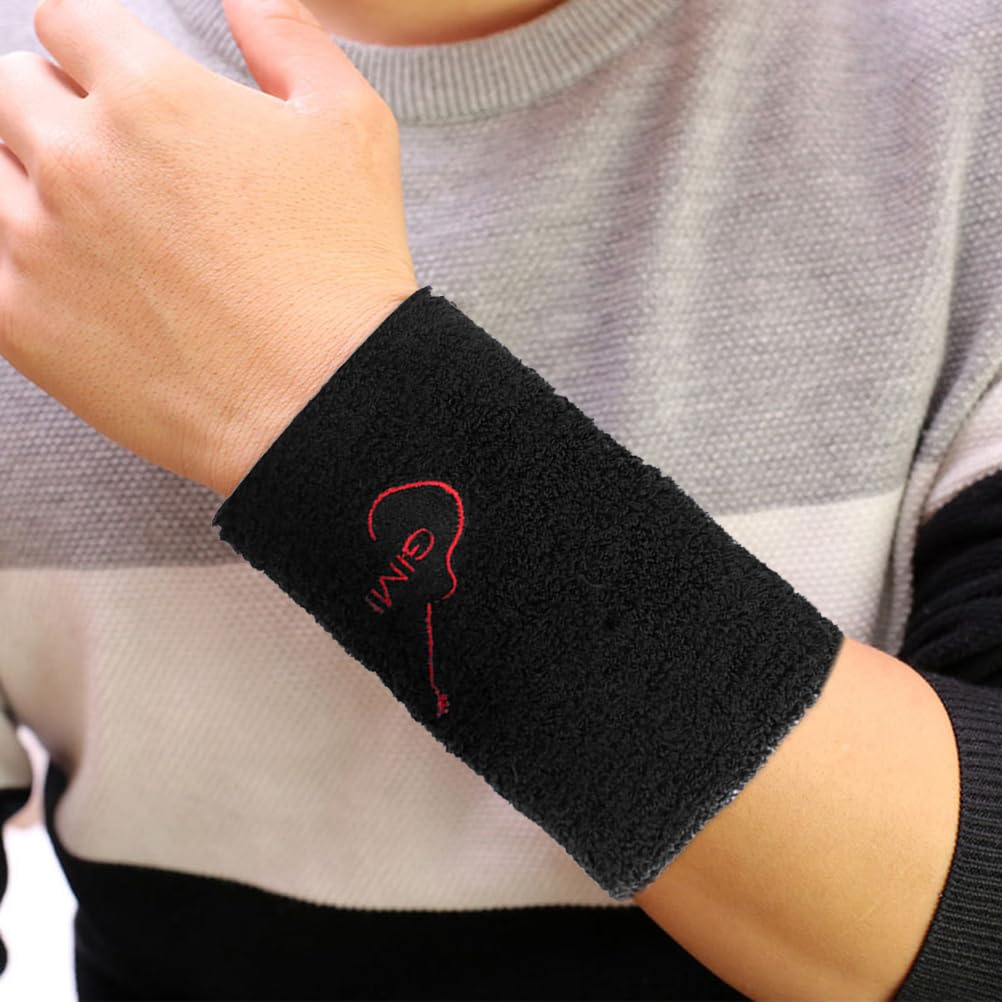
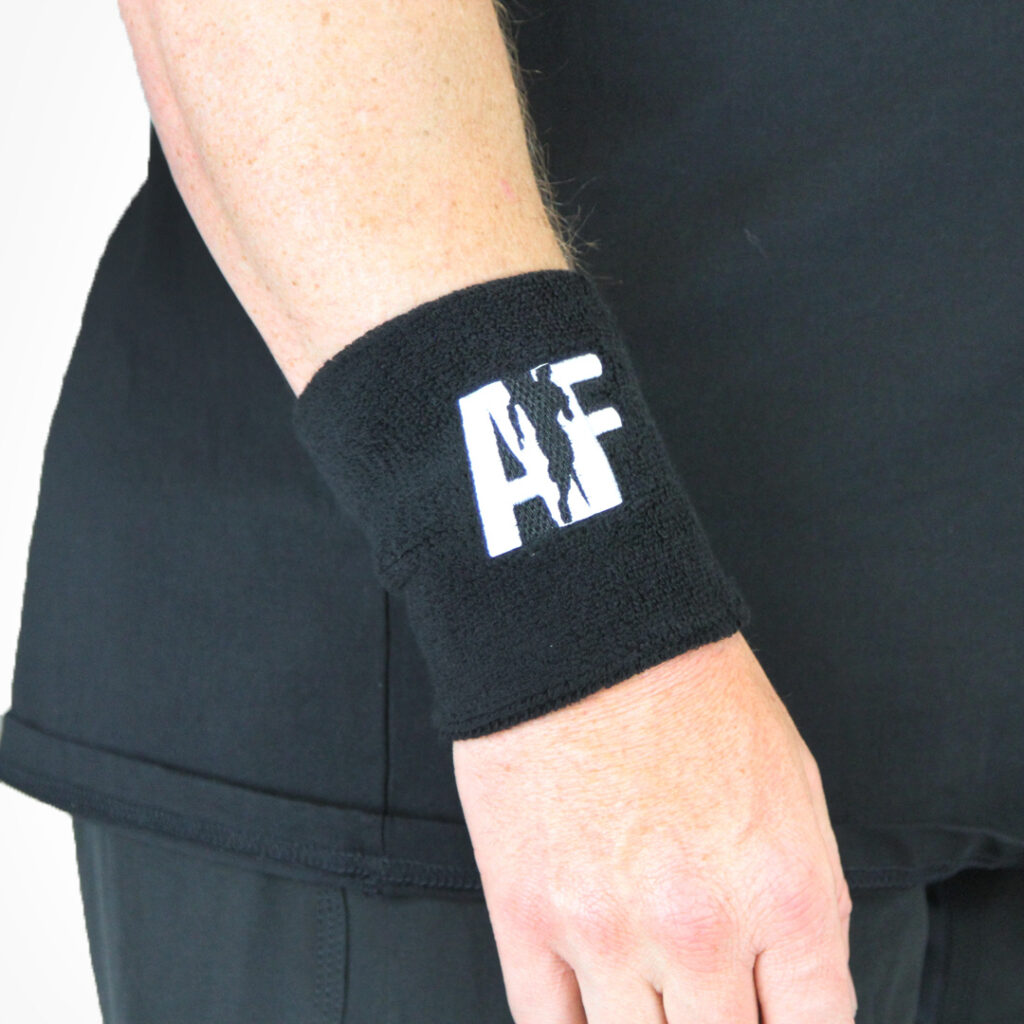
Custom Sweatbands Australia options benefit organisations that want repeated brand visibility in active, social settings. Sweatbands are practical, lightweight, and easy to hand out, which makes them ideal when a brand needs reach without a high per-unit cost.
They also work best when the audience is likely to wear them immediately. If the setting involves movement, heat, performance, or team identity, sweatbands tend to feel like a helpful freebie rather than an advert.
Should gyms, fitness studios, and personal trainers use custom sweatbands?
Yes, because their customers already need them and are likely to wear them on-site. A sweatband becomes part of someone’s workout kit, which creates recurring brand impressions without extra spend.
They also suit challenges, member sign-ups, and referral drives. A studio can tie colours to membership tiers, class types, or limited-time campaigns, making the item both promotional and functional.
Are sports clubs and schools good candidates for promotional sweatbands?
They are, because teams naturally value uniformity and visible pride. Sweatbands can match club colours, reinforce identity, and be sold or gifted as part of registration packs.
Schools can use them for carnivals, inter-house events, and fundraising. A well-designed sweatband often becomes a keepsake, especially when it marks a specific year, tournament, or milestone.”
Do corporate teams and offices have a reason to promote with sweatbands?
They do when the promotion connects to wellbeing or team culture. Corporate fun runs, charity walks, and internal fitness challenges are common, and sweatbands fit those moments better than generic desk items.
They also photograph well during group activities, which helps internal communications and employer branding. If the company wants staff to share event photos, wearable merchandise makes the branding feel natural.
Should event organisers use custom sweatbands for branding and access?
Yes, especially for sporting events, community days, and endurance challenges. Sweatbands can double as a giveaway and a visual marker that someone belongs to the event.
They can also be tiered by colour for volunteers, VIPs, or competitors. While they are not a security tool like wristbands, they still add quick, visible structure and strong brand presence in crowds.
Are charities and non-profits a good fit for promotional sweatbands?
They are a strong fit because sweatbands feel like a “cause item” people enjoy wearing. When supporters wear them at events or training sessions, the charity gains visibility through real community participation.
They also work well as low-cost donation rewards. A simple campaign, donate and receive a sweatband, can be easier to fulfil than bulky merchandise while still feeling meaningful.
Can festivals, music events, and lifestyle brands use sweatbands effectively?
They can if the design looks wearable beyond the event. Lifestyle audiences keep items that feel like merchandise, not advertising, so the logo placement and colour choice matter more here.
They also help with themed activations, pop-ups, and brand collaborations. If people are dancing, moving, and sweating, the product makes sense on its own, which improves take-up.
Should Australian outdoor and adventure brands consider custom sweatbands?
Yes, because their customers spend time in heat, sun, and motion. Sweatbands pair well with hiking, cycling, surfing comps, and outdoor training, which gives the brand exposure in the exact environments it targets.
They also complement other promo items like caps, drink bottles, and towels. Used together, they can create a more complete kit that feels premium without needing premium budgets.
Are hospitality venues and local businesses able to use sweatbands for promotions?
They can when the promotion links to an active local moment. A café sponsoring a park run, a pub backing a social sports team, or a retailer supporting a community fundraiser can all use sweatbands to show involvement.
For purely walk-in promotions, other items may convert better. Sweatbands shine when there is a story: sponsorship, community support, or a specific event that locals remember. See why custom bottle openers are practical promotional products.
Who should avoid using custom sweatbands for promotional campaigns?
They should avoid them if the audience is unlikely to be active or attend warm, high-movement events. If recipients will not wear them, the visibility drops quickly and the item becomes clutter.
They should also avoid them if the design is too corporate or the branding overwhelms the look. Wearables need to feel stylish enough to use; otherwise, even a practical product gets left behind.
What makes a custom sweatband promotion succeed in Australia?
It succeeds when the item matches the moment and the audience. A good campaign chooses comfortable materials, sizes that fit most people, and branding that looks intentional rather than slapped on.
Distribution matters too. Handing them out at the start line, at check-in, or at a high-energy activation point boosts immediate wear; and immediate wear is what turns a simple sweatband into a promotional asset.
What is the simplest way to decide if custom sweatbands are right for a promotion?
They are right when the brand wants visibility in active settings and can attach the item to a real use case. If the campaign involves sport, fitness, outdoor activity, team identity, or community participation, sweatbands are a natural fit.
If none of those apply, the brand may be better served with a different product that aligns with how their audience actually spends time.
FAQs (Frequently Asked Questions)
Who benefits most from custom sweatbands as a promotional item?
Custom sweatbands benefit organisations seeking repeated brand visibility in active, social settings. Their practicality, lightweight nature, and ease of distribution make them ideal for brands aiming for extensive reach without a high per-unit cost, especially when the audience is likely to wear them immediately during movement, heat, or team activities.
Should gyms, fitness studios, and personal trainers use custom sweatbands for promotion?
Yes, gyms and fitness professionals should use custom sweatbands as their customers already need them and are likely to wear them onsite. Sweatbands become part of workout kits, generating recurring brand impressions. They also suit challenges, member sign-ups, and referral drives by tying colours to membership tiers or class types.
Are sports clubs and schools good candidates for promotional sweatbands?
Absolutely. Sports clubs value uniformity and visible pride; sweatbands can match club colours and reinforce identity. Schools can use them for carnivals, inter-house events, and fundraising. Well-designed sweatbands often become keepsakes marking specific years or milestones.
Can corporate teams and offices effectively promote with custom sweatbands?
Yes. When linked to wellbeing or team culture events like fun runs or charity walks, sweatbands fit better than generic desk items. They photograph well during group activities, aiding internal communications and employer branding while encouraging staff to share event photos naturally.
Should event organisers use custom sweatbands for branding and access control?
Yes, especially at sporting events, community days, and endurance challenges. Sweatbands serve as giveaways and visual markers indicating event participation. Colour tiering can distinguish volunteers, VIPs, or competitors, adding visible structure and strong brand presence in crowds.
Are charities and non-profits suitable candidates for promotional sweatbands?
Definitely. Sweatbands feel like cause items that supporters enjoy wearing at events or training sessions, increasing community visibility. They work well as low-cost donation rewards through simple campaigns like ‘donate and receive a sweatband’, which are easier to fulfil than bulky merchandise but remain meaningful.
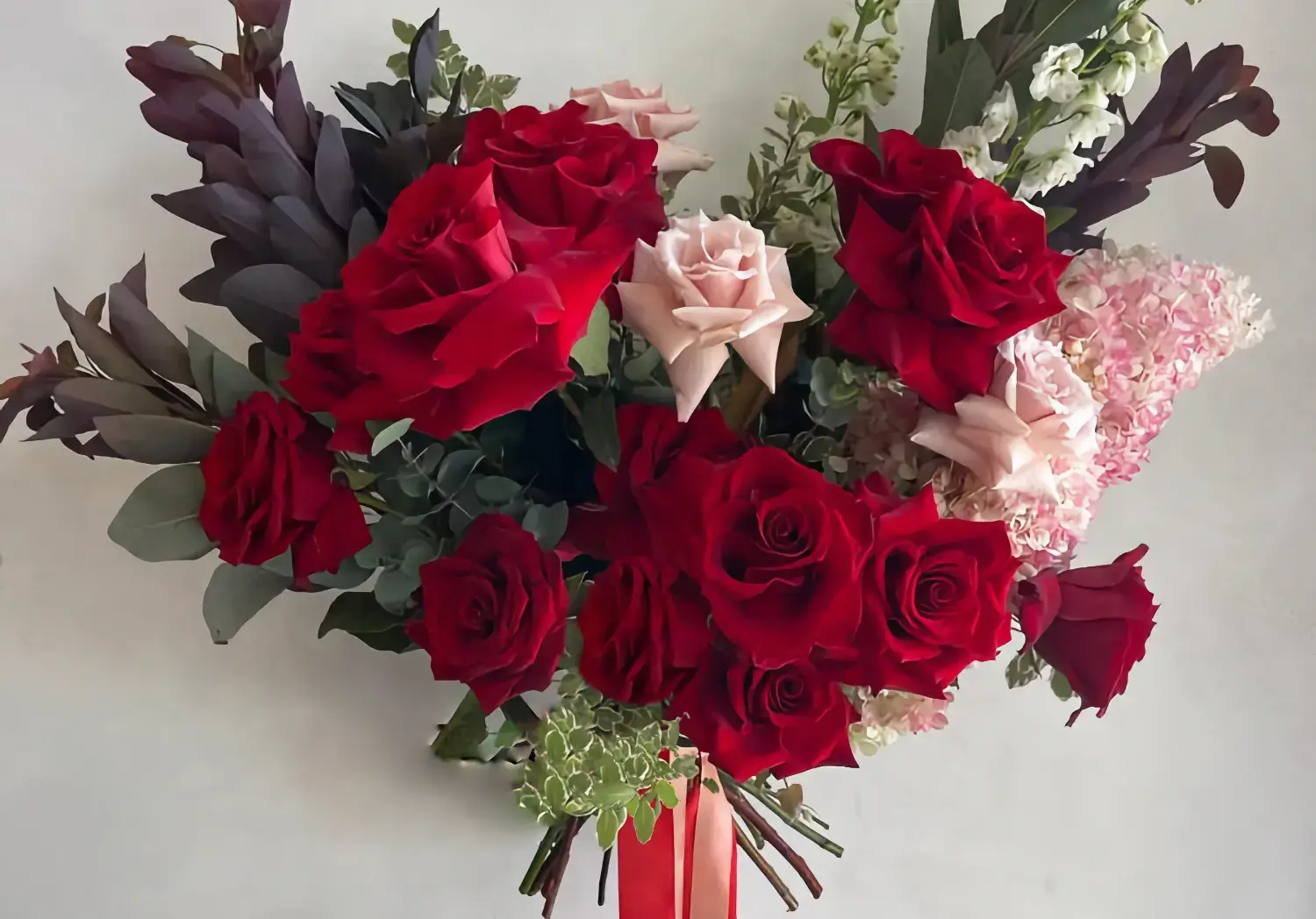
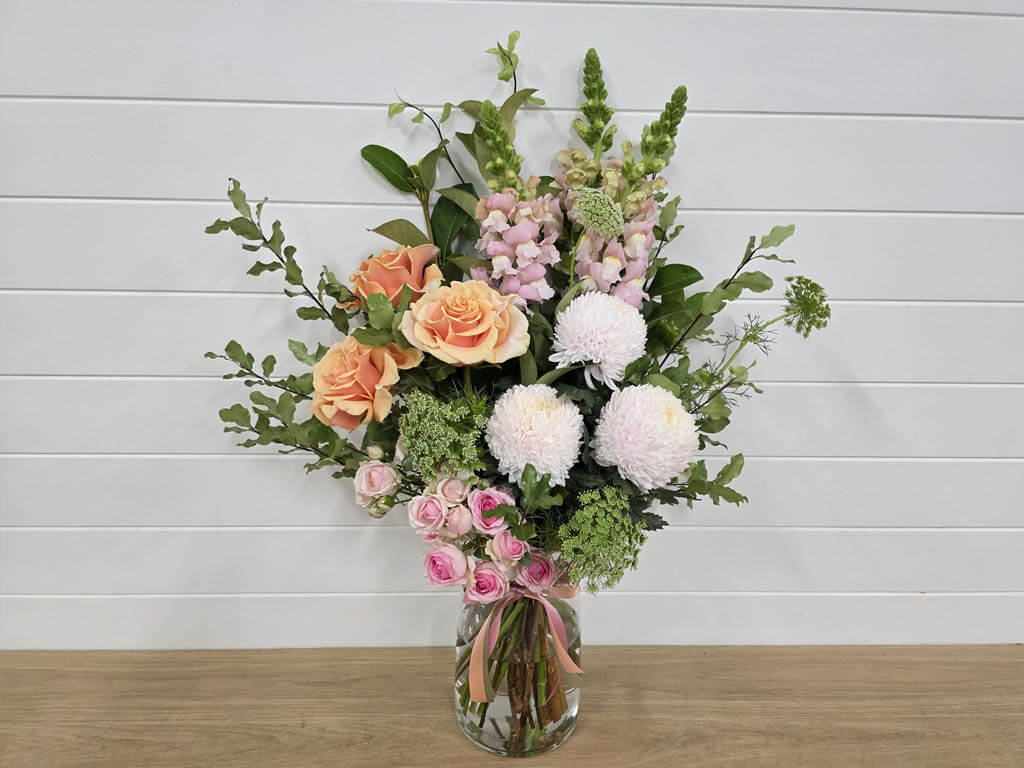
Flower delivery in Lane Cove makes it easy to send something thoughtful without overthinking it. With the right florist, they can choose seasonal stems, match the mood, and have fresh blooms arrive on time, whether it’s for a celebration, support, or a simple “thinking of you.”
What makes Lane Cove flower delivery a smart choice for last minute gifting?
It works because the gift is both personal and practical, and it can be organised quickly. Choosing flower delivery Lane Cove services ensures a well made bouquet communicates care even when they cannot be there in person.
Many Lane Cove florists offer same day or next day options, which helps when dates sneak up or plans change. With clear product photos and size guides, they can pick confidently in minutes.
Which flowers work best for birthdays, anniversaries, and everyday surprises?
For birthdays, bright seasonal mixes, gerberas, and cheerful natives are easy wins. For anniversaries, roses, orchids, and soft romantic palettes tend to feel more intentional.
Everyday surprises suit lighter arrangements like pastel posies, tulips in season, or simple bunches of market fresh stems. If they are unsure, they can choose a florist’s choice bouquet, which usually delivers the best value and freshness. Read more about elegant flowers for special moments.
How can they choose the right arrangement size and style?
They can start with the setting. Smaller arrangements suit desks, hospital rooms, and apartment living, while medium to large designs fit dining tables, receptions, and bigger gestures.
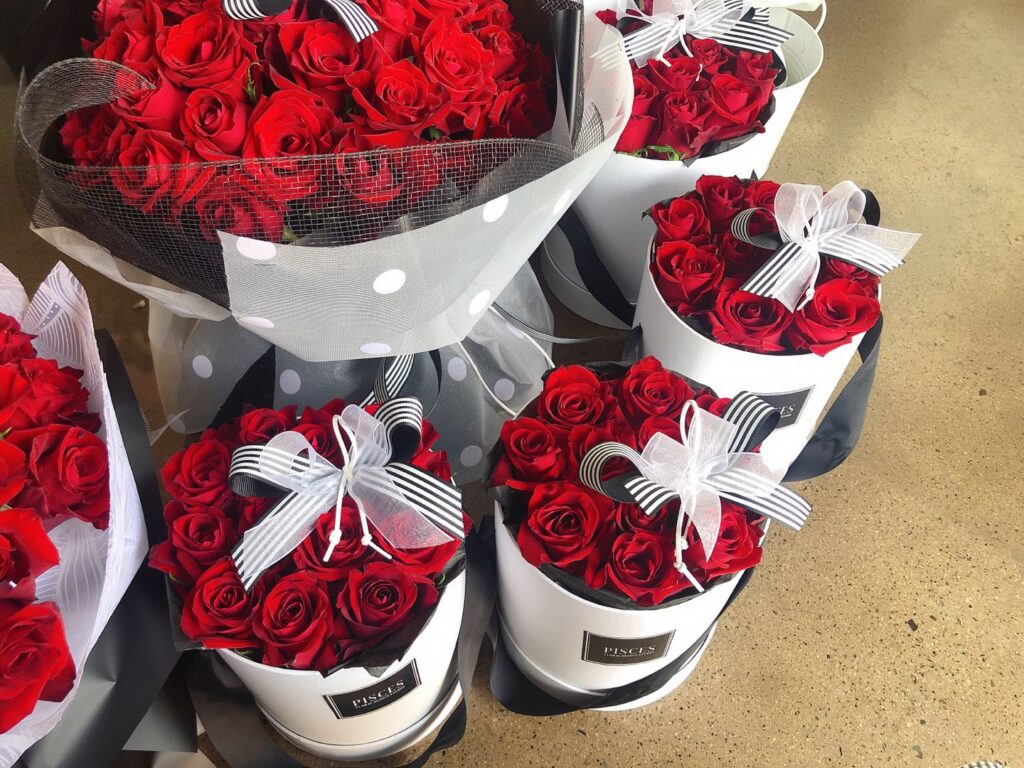
Style matters too. Hand tied bouquets feel relaxed and modern, vase arrangements feel finished and effortless, and boxed flowers travel well and look polished on arrival. If the recipient rarely owns vases, a vase arrangement can remove friction and make the gift instantly usable.
What should they include with flowers to make the gift feel complete?
A short card message often matters more than upgrades. If they keep it specific, it feels real, even if it’s only one sentence.
Add ons can help when they want extra impact. Popular options include chocolates, a candle, a plush toy, or a bottle of something celebratory where available. If the flowers are for sympathy, simpler is usually better, with a calm palette and no loud extras. For more thoughtful ideas, explore gift guide inspiration and elegant flower delivery options for special moments.
When is same day flower delivery in Lane Cove possible?
Same day delivery is often available on weekdays and Saturdays if they order before a cutoff time. That cutoff varies by florist and by peak periods like Valentine’s Day and Mother’s Day.
To improve their chances, they should order early, stay flexible on colours, and choose seasonal designs. If a specific flower matters, they can call ahead, since weather and supply can affect availability.
How do they make sure their flowers arrive fresh and long lasting?
Freshness starts with reputable sourcing and proper conditioning, but their choices still help. Seasonal blooms usually last longer and look better because they travel less and suit the weather.
After delivery, the recipient should trim stems, refresh water regularly, and keep flowers away from direct sun, heaters, and fruit bowls. If the florist provides care instructions, following them can add days of vase life.
What are the best flowers to send for sympathy and support?
Soft whites, creams, and gentle pastels are commonly chosen because they feel calm and respectful. Lilies, roses, chrysanthemums, and orchids are often used, though strong fragrance is not always ideal in smaller spaces.
They can also consider a simple bouquet for the home, or a larger arrangement for a service. If they do not know the family’s preferences, a tasteful neutral design is usually the safest choice.
How can they personalise flower delivery for weddings and events in Lane Cove?
They can personalise by choosing a colour story, a preferred style, and a few feature blooms. Even small touches like ribbon colour, vase selection, and texture choices can make arrangements feel tailored.
For events, it helps to share venue details, bump in times, and table counts early. A florist can then recommend centrepiece heights, install options, and designs that hold up well across the full schedule.
What should they check before placing an order online?
They should confirm delivery suburbs, fees, and time windows, then review what is included in the price. Some listings show a “style” photo, so they should check notes about seasonal substitution.
It also helps to double check the recipient’s address details, building access, and a contact number. If the gift is a surprise, they can request discreet delivery messaging, so it lands smoothly without spoiling the moment.
How can they write a card message that feels sincere?
They can keep it short, warm, and specific. A simple line about what they admire, what they are celebrating, or what they are hoping for can feel more meaningful than generic phrases.
Here are examples they can adapt:
“Proud of them and everything they’re doing. Hope today feels special.”
“Thinking of them and sending something bright for the week ahead.”
“With love and support. They are not alone.”
Where can they find reliable flower delivery in Lane Cove?
Reliable options are florists that communicate clearly, show consistent quality in photos, and have straightforward policies. If they want the best experience, they can choose a florist that focuses on seasonal design, offers care instructions, and makes it easy to adjust notes for special requests.
When they choose well, flower delivery in Lane Cove becomes a simple way to show up for someone, beautifully, and right on time.
FAQs (Frequently Asked Questions)
What makes Lane Cove flower delivery a convenient option for last minute gifting?
Lane Cove flower delivery is ideal for last minute gifting because it combines personal and practical elements, allowing you to organise a thoughtful bouquet quickly. Many local florists offer same day or next day delivery options, ensuring fresh blooms arrive on time even when plans change or dates sneak up.
Which flowers are best suited for birthdays, anniversaries, and everyday surprises in Lane Cove?
For birthdays, bright seasonal mixes, gerberas, and cheerful native flowers are popular choices. Anniversaries often call for roses, orchids, and soft romantic palettes. Everyday surprises work well with lighter arrangements such as pastel posies or seasonal tulips. Alternatively, a florist’s choice bouquet guarantees freshness and value when unsure. Learn more when is tulip season in Australia?
How can I select the right flower arrangement size and style for my recipient?
Consider the recipient’s setting: smaller arrangements suit desks or hospital rooms, while medium to large designs fit dining tables or receptions. Style-wise, hand tied bouquets feel modern and relaxed; vase arrangements are polished and ready to display; boxed flowers travel well and look elegant upon arrival. Choosing a vase arrangement can be especially helpful if the recipient rarely owns vases.
What additions can enhance a flower delivery gift in Lane Cove?
Including a short, specific card message adds a personal touch that often matters more than upgrades. Popular add-ons include chocolates, candles, plush toys, or celebratory beverages where available. For sympathy gifts, simpler designs with calm palettes and no loud extras are preferred to maintain respectfulness.
When is same day flower delivery available in Lane Cove and how can I ensure my order qualifies?
Same day delivery is typically available on weekdays and Saturdays if orders are placed before the florist’s cutoff time, which varies by shop and peak periods like Valentine’s Day. To improve chances of same day delivery, order early, choose seasonal designs flexible on colours, and contact the florist if specific flowers are needed due to supply variability.
How do I ensure flowers delivered in Lane Cove stay fresh and long-lasting?
Freshness depends on reputable sourcing and proper conditioning by the florist. Selecting seasonal blooms helps as they travel less and suit local weather. After delivery, recipients should trim stems regularly, refresh water daily, keep flowers away from direct sunlight, heaters, and fruit bowls. Following any provided care instructions can extend vase life significantly.
Some moments call for something more considered than a quick message. A beautifully arranged bouquet delivered in Longueville can say “I’m here,” “I’m proud,” or “I’m thinking of them” with a kind of quiet confidence.
This guide breaks down how to choose elegant flowers for the occasion, what to look for in a local delivery service, and how to make the gesture feel personal from the first impression to the final vase, especially when selecting flowers Longueville that suit the moment perfectly.
What makes flower delivery in Longueville feel truly elegant?
True elegance usually comes down to three things: premium blooms, tasteful design, and flawless presentation on arrival. In Longueville, recipients often appreciate arrangements that feel curated rather than crowded, with balanced colour and intentional texture.
A strong florist will also consider the recipient’s home style. Soft whites and greens suit minimalist interiors, while richer tones like burgundy, plum, and deep pink add warmth to more traditional spaces.
Which flowers work best for special moments?
For timeless, high-impact gifting, roses, orchids, tulips, lilies, and peonies (in season) are reliable choices. They photograph well, open beautifully over time, and feel instantly “occasion-worthy.”
If they want something modern, they can look for sculptural blooms and clean lines, such as anthuriums, cymbidium orchids, or seasonal natives styled with restraint. For extra meaning, a florist can lean on symbolism like white for respect, pink for admiration, and red for love.
How should they choose flowers for birthdays, anniversaries, and celebrations?
For birthdays, bright seasonal mixes tend to land best because they feel joyful and generous without being overly formal. Think vibrant colour palettes, playful textures, and a size that fits the recipient’s personality and space.
For anniversaries, elegance often means fewer, better blooms. Classic roses, orchids, or a refined monochrome arrangement feels romantic without trying too hard. For broader celebrations like promotions or housewarmings, modern neutrals with greenery can look sophisticated and suit almost any home. Learn more about housewarming party ideas to celebrate your new abode.
What should they send for sympathy, condolences, and “thinking of you” moments?
For sympathy, gentle tones and calm designs are usually most appropriate. Whites, creams, soft pinks, and greens create a respectful presence and avoid overwhelming the space.
They can also consider long-lasting options that require less effort from the recipient, such as orchids or a simple, airy arrangement. A short message matters here more than usual, so it helps when the florist offers thoughtful card suggestions and clean, understated presentation.
How can they make a flower delivery feel more personal?
Personalisation is often the difference between “nice” and unforgettable. They can start by choosing colours that match the recipient’s taste, then add a specific note that references a shared memory or a clear reason for the gift.
Many florists also offer add-ons that elevate the experience, such as a premium vase, chocolates, candles, or a small bottle of something celebratory. The key is restraint: one well-chosen extra usually feels more luxurious than a bundle of fillers.
What should they look for in a Longueville flower delivery service?
They should prioritise freshness, consistency, and clear communication. Great florists show real product photos, describe stem counts or size expectations, and offer reliable delivery windows.
It also helps when they can select a specific style rather than a vague category. Look for services that note seasonal substitutions upfront, use protective packaging, and include care instructions. If they want peace of mind, delivery tracking or confirmation photos can be a valuable touch.
When should they order, and how do same-day deliveries usually work?
Ordering early gives the best selection, especially around busy periods like Valentine’s Day, Mother’s Day, and Christmas week. For peak dates, pre-ordering a few days ahead often leads to better blooms and smoother delivery.
Same-day delivery typically depends on a cut-off time, the distance, and the day’s demand. If they need same-day flowers in Longueville, it helps to choose a “designer’s choice” option, since it allows the florist to work with the freshest stems available without delays.
How can they keep delivered flowers looking fresh for longer?
A few simple steps can add days to an arrangement. They should trim stems on an angle, replace water every one to two days, and keep flowers away from heat, direct sun, and fruit bowls.
If the bouquet arrives in a box, it should be unwrapped and placed in clean water as soon as possible. If it arrives in a vase, they can still refresh it by topping up water and removing any leaves below the waterline to reduce bacteria.
What are the most common mistakes people make when ordering flowers?
The biggest mistake is ordering by price alone without considering style and scale. A lower-priced bouquet can still be beautiful, but elegance usually requires thoughtful spacing, premium focal flowers, and quality foliage.
Another common misstep is vague instructions. If they have preferences, such as “no lilies” or “no strong fragrance,” it’s best to state them clearly. Finally, missing the message card is surprisingly common, and it can make a gift feel anonymous, even when the flowers are stunning.
How can they choose an elegant arrangement if they do not know the recipient’s taste?
When in doubt, they should aim for timeless neutrals or soft seasonal tones. White and green arrangements feel clean, modern, and universally appropriate, while pastel palettes are gentle and widely loved.
They can also choose a classic shape, such as a rounded bouquet with one or two hero blooms, rather than a highly stylised design. If the florist offers “signature” or “premium designer” options, those are usually built to impress with minimal risk.
What should they write on the card to match an elegant gift?
An elegant message is short, specific, and warm. One or two lines is often enough, especially if it clearly states the intention behind the flowers.
Examples they can adapt:
“Thinking of them today and sending love.”
“Proud of them, always. Congratulations.”
“Happy anniversary. They make life better.”
“With sympathy and gentle thoughts.”
How can they make sure the flowers arrive at the right moment?
They should confirm the full address details, include building access notes, and add a recipient phone number if possible. If timing is critical, such as before a dinner or after a service, they should choose a wider delivery window earlier in the day.
If the recipient will be away, it helps to send flowers to a workplace or arrange delivery when someone can receive them. The most elegant delivery is the one that arrives smoothly, without last-minute calls or re-delivery fees.
What is the simplest way to get elegant flowers delivered in Longueville?
They should choose a florist that prioritises premium stems, refined design, and dependable delivery. Then they can match the bouquet to the occasion, add a concise message, and place the order early enough to secure the best seasonal flowers.
When done well, flower delivery in Longueville becomes more than a gift. It becomes a moment they will remember.
FAQs (Frequently Asked Questions)
What makes flower delivery in Longueville feel truly elegant?
True elegance in Longueville flower delivery comes down to premium blooms, tasteful design, and flawless presentation on arrival. Arrangements that feel curated with balanced colour and intentional texture, tailored to the recipient’s home style—such as soft whites and greens for minimalist interiors or richer tones like burgundy and plum for traditional spaces—are highly appreciated.
Which flowers are best suited for special moments in Longueville?
Timeless, high-impact flowers like roses, orchids, tulips, lilies, and seasonal peonies are reliable choices for special occasions. They open beautifully over time and photograph well. For a modern touch, sculptural blooms such as anthuriums or cymbidium orchids styled with restraint work well. Symbolism can add meaning: white signifies respect, pink admiration, and red love.
How should I choose flowers for birthdays, anniversaries, or celebrations in Longueville?
For birthdays, bright seasonal mixes with vibrant colours and playful textures create a joyful yet informal gift. Anniversaries call for fewer but better blooms like classic roses or orchids in refined monochrome arrangements to evoke romance elegantly. For promotions or housewarmings, modern neutrals paired with greenery offer a sophisticated look suitable for most homes.
What flowers are appropriate for sympathy or ‘thinking of you’ moments?
Gentle tones and calm designs using whites, creams, soft pinks, and greens convey respect without overwhelming the space. Long-lasting options like orchids or simple airy arrangements requiring minimal care are thoughtful choices. Including a short, considerate message card and opting for clean, understated presentation enhances the gesture’s sincerity.
How can I make a flower delivery in Longueville feel more personal?
Personalisation elevates a flower gift from nice to unforgettable. Choose colours matching the recipient’s taste and include a note referencing shared memories or specific reasons for gifting. Adding one well-chosen extra—such as a premium vase, chocolates, candles, or a small celebratory bottle—adds luxury without cluttering the gesture.
What should I look for when selecting a flower delivery service in Longueville?
Prioritise freshness, consistency, and clear communication. A reputable florist provides real product photos, details on stem counts or sizes, reliable delivery windows, and allows selection of specific styles rather than vague categories. Look for transparency about seasonal substitutions, protective packaging, care instructions, and services offering delivery tracking or confirmation photos for peace of mind.
They also explain what is happening in plain terms, what the realistic options are, and what the property owner can do next to reduce future risk.
What is a termite specialist, and how are they different from a general pest controller?
A qualified termite specialist focuses specifically on termites rather than treating a wide range of general household pests. They are trained to recognise termite behaviour, likely entry points, and the subtle signs of activity that are easy to miss.
They also tend to use termite-specific tools, monitoring systems, and treatment strategies, and they should be able to advise on longer-term prevention rather than a one-off spray.
How do they confirm whether termites are actually present?
They start by looking for evidence that matches termite activity, not guesswork. That may include mud tubes, damaged timber, blistered paint, discarded wings, frass (for drywood termites), or hollow-sounding wood.
If the signs are unclear, they may recommend monitoring or a follow-up inspection. Good specialists avoid “panic selling” and explain the confidence level of their findings.
What does a proper termite inspection include?
A proper inspection is systematic and risk-based. They check accessible timber, subfloors, crawl spaces, roof voids, garages, fences, and any areas where moisture and timber meet.
They also look at conditions that attract termites, such as poor ventilation, leaking pipes, garden beds against walls, timber-to-soil contact, and stored wood. The goal is to find activity and understand why the property is vulnerable.
What tools do termite specialists use during inspections?
They often use moisture meters, sounding tools, torches, probes, and sometimes thermal imaging to locate suspicious areas without unnecessary damage. Moisture matters because many termites thrive where timber stays damp.
Some also use termite detection devices or monitoring stations to confirm activity over time. They should be clear about what each tool can and cannot prove.
How do they identify the termite species and why does it matter?
They identify the termite type because treatments and risks differ. Subterranean termites typically travel from soil and may require barrier treatments or baiting, while drywood termites live inside timber and often need targeted approaches.
Species affects where they search, how they treat, and what follow-up is needed. It also influences how urgently action is required and which parts of the property are at highest risk.
What treatment options can they provide?
They usually recommend one of three paths: baiting, a chemical soil barrier, or a targeted timber treatment, depending on species, access, and the structure. In some cases, they may combine methods.
A specialist should explain what each option is designed to achieve, how long it takes, what disruption to expect, and what success looks like. They should also outline limitations, such as access constraints or reinvasion risk.
How do baiting systems work in practice?
Baiting aims to eliminate the colony, not just kill the termites seen on the surface. They install bait stations, confirm termite feeding, then use a slow-acting bait so termites share it through the colony.
They return for scheduled checks and adjustments until activity stops, then continue monitoring. It is a process, not an instant fix, and it works best when follow-ups are consistent.
When would they recommend a chemical barrier instead?
A chemical barrier is often used to help prevent subterranean termites entering from the soil. They apply termiticide to the soil around and sometimes beneath parts of the property, depending on construction type and access.
They may recommend it when the risk is high, when quick protection is needed, or when baiting is impractical. They should describe exactly where the barrier will and will not be placed.
Do they repair termite damage?
Most termite specialists do not carry out structural repairs themselves, although some companies may offer it as a separate service. Their job is usually to stop active termites and reduce the chance of return.
They may advise getting a builder, carpenter, or structural engineer to assess damage, especially if load-bearing timber might be affected. They should also note that repairs before treatment can sometimes make activity harder to trace.
What kind of report and advice should they provide afterwards?
They should provide a clear written report that states what was found, where, and how serious it appears. It should include photos where possible, the areas inspected, any limitations, and the recommended next steps.
They should also give practical prevention advice, such as reducing moisture, improving ventilation, removing timber contact with soil, and adjusting landscaping that creates hidden entry points.
How do they prevent termites from coming back?
Prevention is usually a mix of monitoring, property maintenance, and, where appropriate, protective treatments. They may install monitoring stations, recommend regular inspections, and highlight “risk conditions” that should be corrected.
They also explain that no solution is truly set-and-forget. Ongoing vigilance matters because termites are part of the surrounding environment and can reappear if conditions stay favourable.
What should someone ask before hiring a termite specialist?
They should ask what the inspection includes, what areas might be inaccessible, and how the specialist will confirm activity. They should also ask for the recommended treatment options and why one is being prioritised.
It is also sensible to ask about follow-up schedules, what warranty terms actually cover, and what the client must do to keep coverage valid. A trustworthy specialist will answer directly and avoid vague promises.
FAQs (Frequently Asked Questions)
What is the role of a termite specialist compared to a general pest controller?
A termite specialist focuses exclusively on termites, recognising their behaviour, entry points, and subtle signs that are often missed. They use termite-specific tools and treatment strategies aimed at long-term prevention, unlike general pest controllers who treat a broad range of pests.
How do termite specialists confirm the presence of termites in a property?
They look for clear evidence such as mud tubes, damaged timber, blistered paint, discarded wings, frass (for drywood termites), or hollow-sounding wood. If signs are unclear, they may recommend monitoring or follow-up inspections rather than guessing.
What does a thorough termite inspection involve?
A proper inspection is systematic and risk-based, checking accessible timber areas like subfloors, crawl spaces, roof voids, garages, fences, and places where moisture meets timber. Specialists also assess conditions attracting termites such as poor ventilation, leaks, timber-to-soil contact, and stored wood.
Why is identifying the termite species important for treatment?
Different species require different treatments and pose varying risks. For example, subterranean termites travel from soil needing barrier treatments or baiting; drywood termites live inside timber requiring targeted approaches. Species identification guides search areas, treatment methods, urgency, and follow-up care.
What treatment options do termite specialists typically recommend?
Treatment usually involves baiting systems to eliminate colonies over time, chemical soil barriers to prevent subterranean termites entering from soil, or targeted timber treatments. Sometimes methods are combined depending on species, access, and property structure. Specialists explain each option’s process, disruption level, success criteria and limitations.
How can property owners prevent termites from returning after treatment?
Prevention includes regular monitoring with installed stations where appropriate, ongoing property maintenance like reducing moisture and improving ventilation, removing timber-to-soil contact, and correcting landscaping that creates hidden entry points. Specialists emphasise that vigilance is essential since termites can reappear if conditions remain favourable.
Custom lapel pins have become essential tools for Australian businesses, organisations, and event planners seeking memorable ways to strengthen brand identity and create lasting impressions. From corporate conferences to sporting clubs, political campaigns to school fundraisers, these small yet powerful accessories transform ordinary clothing into branded statements that foster unity and recognition.
The primary obstacle most buyers face centres on finding affordable custom lapel pin Australia suppliers who won’t compromise on quality. Budget constraints often push customers towards cheaper options that arrive with dull colours, poor metal finishes, or designs that don’t match specifications. Quality lapel pins require careful material selection, precise manufacturing, and attention to detail—elements that typically increase costs.
This guide reveals practical custom pin ordering tips that help you navigate the Australian lapel pin market without falling into common pricing traps. You’ll discover:
Which pin types deliver the best value without sacrificing visual appeal
How to identify manufacturers who balance affordability with craftsmanship
Specific questions to ask suppliers about minimum orders and production times
Design approval processes that prevent costly mistakes
Customer service indicators that signal reliable partnerships
Understanding these elements empowers you to order professional-grade lapel pins that enhance your brand whilst respecting your budget limitations.
What Are the Common Types of Custom Lapel Pins Available in Australia?
Australian suppliers offer several production methods for custom lapel pins, each with distinct characteristics that affect both price and appearance. Understanding these types of lapel pins helps buyers make informed decisions based on their budget and design requirements.
Die Struck Pins
Die struck pins represent the most traditional and elegant option for lapel pin production. These pins feature raised and recessed metal surfaces without any colour fill, creating a sophisticated, monochromatic appearance. The manufacturing process involves stamping a design into metal, typically brass or copper, which is then plated in gold, silver, nickel, or bronze finishes. This method works best for simple, clean designs where the metal itself becomes the focal point. Organisations seeking a premium, timeless aesthetic often choose die struck pins for corporate recognition programmes or exclusive membership badges.
Enamel Pins: Soft vs Hard
Enamel pins dominate the Australian market due to their versatility and visual appeal. The two main varieties—soft enamel and hard enamel—differ significantly in production cost and final texture.
Soft enamel pins feature recessed areas filled with coloured enamel that sits below the metal lines, creating a textured, dimensional surface you can feel with your fingertips. The raised metal borders give these pins durability whilst keeping production costs reasonable. They accept vibrant colour options and work well for designs with multiple hues or intricate details.
Hard enamel pins undergo additional polishing and heating processes that create a smooth, flat surface where the enamel sits flush with the metal lines. This premium finish offers superior durability and a glass-like appearance, though it commands a higher price point. The choice between soft and hard enamel often comes down to budget constraints and desired aesthetic—soft enamel provides excellent value without compromising visual impact.
Die Cast Pins
Die cast pins solve the challenge of producing complex, three-dimensional shapes that other methods cannot achieve. This technique involves pouring molten metal into custom moulds, allowing for intricate sculptural details, varying thickness levels, and unique contours. Organisations requiring pins with detailed logos, mascots, or architectural elements benefit from die casting’s flexibility. The process accommodates designs with undercuts, multiple
Why Is Soft Enamel Often the Most Affordable Yet Quality Choice?
Soft enamel pins cost significantly less than hard enamel alternatives while maintaining a professional appearance and brand impact. The price difference stems from the simplified production process—soft enamel requires fewer polishing steps and less labour-intensive finishing, making it ideal for budget-conscious orders without compromising visual appeal.
Hard enamel pins undergo extensive polishing to create a smooth, flat surface where the enamel sits flush with the metal lines. This additional manufacturing stage increases production time and cost by approximately 30-40% compared to soft enamel options. Soft enamel pins feature a textured finish where the enamel sits slightly recessed below the raised metal borders, creating a dimensional look that many customers prefer for its tactile quality and classic appearance.
The visual distinction between the two styles is subtle yet meaningful. Hard enamel delivers a glossy, jewellery-like finish suited to premium corporate gifts or high-end branding. Soft enamel provides vibrant colour saturation with a slightly matte or semi-gloss surface that photographs well and catches light effectively at events and gatherings.
Durability That Matches Daily Wear
Soft enamel lapel pins benefits extend beyond initial cost savings to long-term wearability. The durable metal construction—typically brass, copper, or iron—provides structural integrity that withstands regular use. The recessed enamel design protects colours from surface scratches better than printed alternatives, whilst the raised metal borders act as natural guards against edge damage.
These pins perform reliably in various conditions:
Indoor events: Maintain colour vibrancy under artificial lighting
Outdoor gatherings: Resist fading from brief sun exposure during festivals or sporting events
Corporate settings: Withstand daily wear on uniforms or business attire
Promotional campaigns: Survive handling during distribution at trade shows
The enamel coating cures at high temperatures, creating a chemical bond with the metal base that prevents peeling or flaking during normal use. Whilst not entirely waterproof, soft enamel pins handle light moisture exposure without immediate damage, making them practical for Australian climates.
How Can Customers Ensure Quality While Keeping Costs Low?
Choosing reputable lapel pin manufacturers Australia starts with researching their track record and customer reviews. Experienced manufacturers demonstrate consistent quality through portfolio examples, client testimonials, and transparent production processes that give you confidence in their ability to deliver exactly what you need.
Why Manufacturer Experience Matters
A manufacturer’s reputation directly reflects their commitment to quality standards. Established suppliers understand Australian business needs and have refined their processes to eliminate common production errors. They maintain quality control systems that catch issues before pins reach your hands, saving you time and money on potential reorders.
Look for manufacturers who:
Display clear examples of previous work across different industries
Provide verifiable customer testimonials or case studies
Offer transparent pricing structures without hidden fees
Maintain responsive communication channels throughout the project
The Value of Free Design Assistance
Free design assistance transforms your concept into production-ready artwork without additional costs. Professional designers understand the technical requirements of lapel pin manufacturing, including line thickness, colour separation, and metal plating options that affect both appearance and price.
Multiple revision rounds ensure your design meets expectations before production begins. This iterative process allows you to:
Refine details that might not translate well to small pin formats
Adjust colours to match your brand specifications precisely
Modify text sizes for optimal readability at actual pin dimensions
Experiment with different finishes within your budget constraints
Manufacturers offering unlimited revisions demonstrate confidence in their design capabilities and commitment to customer satisfaction. This service eliminates the need to hire external designers, reducing your overall project costs whilst maintaining professional results.
Digital Proof Approval Prevents Costly Mistakes
Digital proof approval serves as your final checkpoint before production commences. These detailed mockups show exact colours, dimensions, and metal finishes as they will appear on the finished pins. Approving a digital proof protects you from receiving products that don’t match your specifications.
Quality manufacturers provide proofs that include:
Pantone colour codes matched to your brand guidelines
Actual size representations to verify text legibility
Metal finish options (gold, silver, bronze, black nickel)
What Should Buyers Know About Order Quantities and Production Timelines?
Minimum order quantity lapel pins Australia typically start at around 25 pieces, which represents the sweet spot for affordable pricing without requiring bulk purchases. This threshold allows manufacturers to maintain cost-effective production whilst giving buyers flexibility for smaller events or initial branding campaigns.
The 25-piece minimum serves multiple purposes beyond just pricing. It enables customers to test designs before committing to larger quantities, distribute pins across small teams or groups, and access professional manufacturing quality that would be cost-prohibitive for single-unit orders. Some suppliers may offer lower minimums, but the per-unit cost often increases significantly, negating the affordability advantage.
Standard Production Timelines
Production time custom pins generally ranges from 10 to 15 working days after artwork approval. This timeframe covers the complete manufacturing process, from creating metal moulds to applying enamel finishes and quality checks. Rush orders can sometimes reduce this to 7-10 days, though expedited services may carry additional fees.
The timeline breaks down into distinct phases:
Design approval: 1-2 days for digital proof review and confirmation
Mould creation: 3-5 days for die production
Manufacturing: 5-7 days for stamping, colouring, and finishing
Quality control: 1-2 days for inspection and packaging
Delivery: 2-5 days depending on Australian location
Meeting Tight Deadlines
Fast turnaround lapel pin orders are achievable when buyers communicate deadline requirements upfront. Experienced manufacturers can accommodate urgent requests by prioritising production schedules, though this requires immediate artwork approval and minimal revision rounds.
To secure the fastest possible delivery:
Submit final artwork in the correct format (vector files preferred)
Approve digital proofs within 24 hours
Specify exact colour codes (Pantone references) to avoid back-and-forth
Confirm delivery address and contact details immediately
Communication About Delivery Schedules
Clear dialogue about delivery expectations prevents disappointment and ensures pins arrive when needed. Reputable suppliers provide tracking information once orders ship and maintain transparency about any potential delays due to public holidays, material shortages, or other unforeseen circumstances. Check out more about 7 Innovative Ways to Display Your Medals with Premium medallion holders.
How Does Good Customer Service Impact the Ordering Experience?
Exceptional customer service from custom pin suppliers in Australia directly determines whether your order meets expectations or becomes a frustrating experience. The difference between a smooth, successful order and a disappointing one often comes down to how well your supplier communicates, delivers, and resolves issues.
Why Communication in Pin Orders Makes or Breaks Your Project
Clear, responsive communication throughout the design and production phases prevents costly mistakes and delays. Reputable Australian suppliers provide dedicated contact points who understand your requirements from the initial enquiry through to final delivery. They respond promptly to questions about design specifications, colour matching, and production status updates.
Suppliers who excel at communication in pin orders typically offer:
Real-time updates on production milestones without requiring you to chase them
Transparent explanations of technical limitations or design adjustments needed
Accessible design teams who can interpret your vision and translate it into manufacturable artwork
Proactive problem-solving when unexpected challenges arise during production
The best customer service custom pin suppliers Australia has to offer treat design consultations as collaborative partnerships rather than transactional exchanges. They ask clarifying questions about your intended use, audience, and branding requirements to ensure the final product aligns with your goals.
How Direct Delivery Options Reduce Costs and Delays
Reliable delivery of Australian lapel pins depends on suppliers who handle logistics efficiently within the country. Manufacturers with established Australian distribution networks eliminate international shipping complications, customs delays, and unpredictable freight costs that can derail your budget and timeline.
Direct delivery from Australian-based operations or local warehouses provides several advantages:
Faster turnaround times compared to overseas shipping routes
Lower shipping costs due to domestic freight rates
Easier tracking with familiar Australian postal and courier services
Simplified returns or replacements if quality issues arise
Suppliers offering reliable delivery of Australian lapel pins understand local business expectations around timing. They account for regional variations in delivery schedules and can accommodate rush orders when you’re working against tight event deadlines.
What Happens When Revisions or Quality Issues Arise?
Professional suppliers handling revisions promptly demonstrate their commitment to maintaining quality standards. The best customer service custom pin suppliers Australia offers include multiple design revision rounds in their standard packages.
When quality issues are identified—whether through internal inspections or client feedback—reputable manufacturers take immediate action:
Identify the root cause of the defect (e.g., material flaw, production error).
Implement corrective measures to prevent recurrence.
Communicate transparently with clients about the issue and proposed solutions.
Offer acceptable remedies such as rework, refunds, or replacements based on contractual agreements.
By prioritising effective communication during challenging situations, custom pin suppliers foster trust among clients while safeguarding project timelines.
Where and How Should Custom Lapel Pins Be Worn Appropriately?
Wearing lapel pins properly in Australia follows traditional placement guidelines that ensure your pin looks professional and stays secure. The standard position is on the left lapel, just inside the buttonhole, where the pin sits naturally without competing with other accessories.
What Is the Correct Left Lapel Placement?
The left lapel placement positions your custom pin approximately 7-10 centimetres below the shoulder seam. This location allows the pin to catch light and remain visible during conversations without appearing too prominent. For jackets with functional buttonholes, thread the pin stem through the existing hole for added stability.
Long-stem pins require a different approach. These designs attach through fabric layers rather than sitting on the surface, providing extra security for active events or outdoor occasions. The stem passes completely through the lapel material, with the clutch fastener securing it from behind.
How Should Pins Match Different Event Types?
Formal event pin guidelines emphasise coordination between your pin design and the occasion’s dress code. Corporate events call for subtle, professional designs in metallic finishes that complement business attire without overwhelming it. A die-struck or hard enamel pin in silver or gold tones works well for board meetings and conferences.
Wedding lapel pins demand careful consideration of the event’s colour palette and formality level. Groomsmen typically wear matching pins that reflect the wedding theme, whilst guests should choose understated designs that don’t distract from the wedding party. Soft enamel pins in pastel shades suit garden weddings, whilst polished hard enamel pieces fit black-tie celebrations.
Sporting events and casual gatherings allow more creative freedom. Vibrant soft enamel designs with team colours or event logos become conversation starters. These settings welcome bold shapes and multiple colours that might seem excessive in formal contexts.
Should You Wear Multiple Pins Simultaneously?
Wearing one pin per occasion maintains a clean, intentional appearance. Multiple pins create visual clutter and dilute the impact of each individual piece. If you must display several affiliations or achievements, rotate pins based on the specific event or audience.
The exception applies to military or service pins, where multiple decorations follow established protocols. Even then, arrangement follows strict guidelines about spacing and positioning to maintain uniformity.
Conclusion
Ordering affordable quality custom lapel pins in Australia comes down to three essential decisions that protect both your budget and standards.
Soft enamel pins deliver the best cost-to-quality ratio for most applications. Their vibrant colours, textured finish, and durable construction meet professional requirements whilst keeping prices accessible. Die struck or hard enamel options suit specific aesthetic needs, but soft enamel remains the practical choice for branding, events, and promotional purposes.
Smart ordering tips for lapel pins start with manufacturer selection. Reputable suppliers who offer free design assistance, multiple revision rounds, and digital proofs before production eliminate costly mistakes. These services aren’t extras—they’re quality safeguards that ensure your pins match exact specifications including colour codes and design details.
Understanding order requirements prevents delays and unexpected costs:
Minimum quantities typically start around 25 pieces for competitive pricing
Production timelines vary, but experienced manufacturers handle tight deadlines
Clear communication about delivery schedules avoids last-minute complications
Direct Australian delivery reduces shipping delays and additional fees
The ordering experience depends heavily on customer service quality. Manufacturers who maintain excellent communication throughout design and production phases, respond promptly to revision requests, and deliver consistent results protect your investment. These partnerships make reordering straightforward and reliable.
How to order the most affordable custom lapel pins Australia without sacrificing quality requires balancing informed choices with strategic partnerships. Select the appropriate pin type for your purpose, work with manufacturers who demonstrate commitment through their support services, and maintain realistic expectations about quantities and timelines. This approach delivers professional results that represent your brand, event, or cause with distinction whilst respecting budget constraints.
How Can You Showcase Your Hard-Earned Achievements with Premium Medallion Holders?
Your medals represent countless hours of training, dedication, and personal triumphs that deserve proper recognition. Premium medallion holders transform these achievements from drawer-hidden tokens into inspiring visual reminders of your capabilities.
The difference between standard storage and premium medallion holders lies in their ability to protect whilst simultaneously elevating your medal presentation. These specialised display solutions prevent tarnishing, ribbon damage, and the inevitable tangling that occurs when medals are stored haphazardly. They turn your accomplishments into focal points that spark conversation and motivate future goals.
Traditional methods of medal storage—tossing them in boxes or hanging them on random hooks—fail to honour the effort behind each achievement. Premium holders provide structure, aesthetic appeal, and intentional design that respects the significance of your collection.
This article explores 7 innovative ways to display your medals with premium medallion holders, ranging from space-efficient wall solutions to creative DIY approaches. Each method offers unique advantages for different living spaces, collection sizes, and personal styles. Whether you’re a marathon runner with dozens of race medals or someone who’s earned a few meaningful awards, these medal displays provide options that blend functionality with visual impact.
The right display method doesn’t just organise your medals—it creates a personal gallery that celebrates your journey and inspires continued excellence.
What Are Trophy and Medal Display Shelves and How Do They Enhance Presentation?
Trophy display shelves are specially designed units that turn messy awards into neat, attractive displays. These shelves have specific sections for trophies and built-in hooks for hanging medals with wide ribbons, making sure every achievement is properly shown off.
Why Are Trophy Display Shelves Important?
The design solves a common problem: medals usually come with wide ribbons that regular hooks can’t hold. High-quality trophy display shelves have strong hooks with wider openings, preventing damage to the ribbons while keeping the medals securely in place. The space between the hooks allows the medals to hang freely without overlapping, creating clean lines that highlight each accomplishment.
Key Features of Trophy Display Shelves
Multi-tiered arrangements that maximise vertical space
Adjustable hooks to accommodate various ribbon widths
Sturdy construction supporting substantial weight loads
Protective finishes that prevent scratches on precious awards
How Do Inspirational Plaques Enhance Trophy Display Shelves?
Inspirational plaques integrated into these shelves serve a dual purpose beyond decoration. Positioned alongside your medals, these motivational messages create a personal achievement gallery that reinforces the dedication behind each award. Popular inscriptions include race distances, personal records, or meaningful quotes that resonate with your athletic journey.
How Does Organised Medal Display Solve Common Frustrations?
The organised medal display these shelves provide eliminates the frustration of tangled ribbons in drawers or boxes. Each medal occupies its designated position, making it simple to locate specific awards while maintaining an inspiring visual reminder of your progress. The structured presentation transforms medals from hidden memorabilia into daily motivation sources.
How Do Customisable Elements Make Trophy Display Shelves More Versatile?
Premium shelves often feature customisable elements allowing you to arrange awards chronologically, by event type, or significance level. This flexibility means your display evolves alongside your achievements, accommodating new medals without requiring complete reorganisation. The result is a living testament to your athletic journey that grows more impressive with each addition.
How Do Slim Medal Hangers Offer a Space-Saving Yet Stylish Display Solution?
Slim medal hangers maximise wall space whilst maintaining a clean, modern aesthetic. These metal bar hangers typically measure just a few centimetres in depth, allowing you to display an impressive collection without the bulky appearance of traditional display methods.
The streamlined design of these space-saving medal displays centres around a horizontal bar with evenly spaced hooks or notches. Most metal bar hangers feature powder-coated finishes in black, silver, or bronze that complement any interior décor scheme. The minimalist construction ensures your medals remain the focal point rather than the display mechanism itself.
Precision Alignment Without Visual Chaos
Slim medal hangers excel at creating uniform rows of achievements. The consistent spacing between hooks ensures each medal hangs at the same height and distance from its neighbours. This systematic arrangement prevents the tangled ribbons and overlapping medals that often plague informal display methods.
The narrow profile keeps medals close to the wall, reducing the visual footprint whilst accommodating thick ribbons and substantial medallions. Many designs incorporate adjustable hooks that slide along the bar, allowing you to customise spacing based on your collection’s size and ribbon width.
Transforming Walls into Achievement Galleries
These hangers serve dual purposes as both organisers and decorative wall art. A well-curated display of medals arranged on slim metal bar hangers naturally draws the eye and invites questions from visitors. The horizontal lines create visual interest whilst maintaining a sophisticated appearance that suits home offices, gyms, or hallways.
Key advantages of slim medal hangers include:
Expandable capacity: Add multiple bars vertically to grow with your collection
Easy installation: Most require only two mounting points per bar
Versatile placement: Suitable for narrow wall spaces, behind doors, or above furniture
Quick medal rotation: Swap out displayed medals seasonally or by achievement type
The sleek profile makes these hangers particularly valuable in smaller homes or flats where floor space comes at a premium. Unlike bulky display cases, they utilise vertical wall space efficiently whilst keeping your achievements visible and accessible.
Why Are Shadow Box Frames Perfect for Showcasing Medals?
Shadow box frames turn medals into stunning displays by adding depth and visual interest. The felt backing acts as a background, making each medal stand out against the contrasting surface while the recessed design creates subtle shadows that enhance the beauty of your achievements.
These protective medal displays serve a dual purpose: they showcase your medals while also protecting them. The glass or acrylic front panel keeps medals safe from dust, fingerprints, and environmental damage that can dull their shine over time. Unlike open displays where medals are exposed to air and handling, shadow boxes create a sealed environment that preserves the pristine condition of your awards for years.
The versatility in design options allows seamless integration with any interior style:
Wood finishes add warmth and traditional elegance, perfect for home offices or studies
Black frames offer modern sophistication and make colourful medal ribbons stand out dramatically
White options create clean, gallery-style presentations ideal for minimalist spaces
Size variety accommodates different collection scales. Compact 8×10 inch frames suit single marathon medals or special achievements you want to feature individually. Larger 16×20 inch or custom-sized boxes can hold entire race series or yearly accomplishments, allowing you to group medals thematically by event type, distance, or personal milestones.
The depth of shadow box frames provides practical benefits beyond looks. Most designs offer 1-3 inches of interior space, accommodating medals with thick ribbons, multiple layers, or attached charms without crushing or bending. This depth also allows creative arrangements—you can pin race bibs behind medals, add finish line photos, or include timing chips to tell the complete story of your race experience.
Installation flexibility makes these frames suitable for renters and homeowners alike. Most come with hanging hardware for wall mounting but can also stand on mantels or bookshelves. This dual functionality means your display can move with you or be rearranged as your collection grows, making shadow boxes a practical choice among the 7 Innovative Ways to Display Your Medals with Premium medallion holders.
How Can Race Bib and Medal Combo Displays Bring More Meaning to Your Collection?
Combo medal holders unite your race bibs and medals in a single display unit, creating a complete visual story of your athletic journey. These integrated systems eliminate the need for separate storage solutions whilst preserving the full context of each achievement—from the starting line number you wore to the medal you earned crossing the finish.
The design brilliance lies in their dual-purpose construction. Race bib displays typically feature clear pockets or clips positioned above or alongside medal hooks, allowing you to pair each bib with its corresponding medal. This arrangement transforms individual awards into cohesive narratives, reminding you not just of the finish but of the entire race experience.
Capacity That Grows With Your Achievements
Premium memorabilia storage units accommodate extensive collections without sacrificing organisation. Many models hold 30 to 50 medals alongside matching bibs, with some expandable designs supporting even larger collections. The vertical or horizontal layout options let you customise the display to fit your available wall space whilst maintaining visual balance.
The structured format prevents the tangled mess that often plagues medal-only displays. Each bib sits flat and protected, whilst medals hang freely below without overlapping or obscuring one another.
Expanding the Story Beyond Medals and Bibs
Dedicated sections for photographs, race maps, or personal records add depth to your display. Some combo holders include small shelves or shadow box compartments where you can place finish line photos, timing chips, or handwritten race notes. This multi-dimensional approach transforms a simple medal rack into a personal museum of your athletic milestones.
The storytelling potential extends to themed arrangements—grouping marathons separately from 5Ks, or organising by location to showcase your travel adventures. These visual clusters help visitors understand your progression and dedication at a glance, turning your wall into an engaging conversation starter about perseverance and achievement. Click here to get more about Car Decals vs. Full Wraps: A Comparative Cost-Benefit Analysis.
Why Are Tabletop Medal Displays a Convenient Alternative to Wall Mounts?
Tabletop medal displays eliminate the need for drilling holes or damaging walls, making them perfect for renters, students in dormitories, or anyone who prefers to keep their walls pristine. These freestanding units sit securely on desks, bookshelves, mantels, or countertops without requiring any permanent installation. The design allows you to showcase your achievements without the commitment or potential damage that comes with wall-mounted options.
The true advantage of portable medal holders lies in their flexibility and simplicity. You can relocate them from room to room, take them to the office, or pack them away during moves without leaving behind mounting hardware or wall marks. Setup takes mere seconds—simply place the display on a flat surface and arrange your medals. No tools, no measuring, no frustration.
Decorative desk displays combine functionality with aesthetic appeal, transforming your medal collection into an eye-catching centrepiece. Many designs feature:
Tiered structures that create visual depth and dimension
Premium materials like polished wood, brushed metal, or acrylic that complement existing décor
Multi-level arrangements allowing medals to cascade without overlapping
Integrated bases that provide stability whilst maintaining an elegant profile
These displays can accommodate impressive quantities—some models hold 30 to 50 medals or more—whilst occupying minimal desk or shelf space. The vertical orientation maximises medal visibility without creating clutter. The compact footprint means you can position them alongside family photos, books, or other personal items, creating a cohesive display that tells your complete story.
The portability extends beyond simple relocation. Athletes who compete frequently can bring their tabletop displays to events, using them as motivational reminders before races or competitions. Parents can easily move displays to different rooms when hosting guests, ensuring achievements receive proper recognition during gatherings.
How Can DIY Ideas Transform Medals Beyond Traditional Displays?
Creative DIY medal displays offer unlimited possibilities for repurposing your achievements into functional art pieces. Medals can become drink coasters by embedding them in resin or mounting them on cork backing, creating conversation starters at every gathering. Wind chimes crafted from medals produce melodic reminders of past victories with each gentle breeze.
Chandelier transformations elevate medals to statement lighting fixtures. Hanging medals at varying lengths from a circular frame creates a cascading effect that catches light beautifully. The metallic surfaces reflect ambient lighting whilst celebrating athletic accomplishments in unexpected ways.
Lamp bases provide another avenue for unique medal presentations. Medals can be arranged around cylindrical lamp bases, secured with clear adhesive, or suspended within transparent lamp structures. These functional displays illuminate rooms whilst keeping achievements visible during daily activities.
Seasonal and Decorative Applications
Holiday decorations gain personal significance when incorporating medals. Christmas tree ornaments made from medals add athletic pride to festive celebrations. Medal wreaths for doors or walls create year-round displays that honour specific racing seasons or milestone achievements.
Photo frame embellishments transform standard frames into personalised medal holders. Attaching medals around frame edges creates borders that contextualise race photos with the actual hardware earned. This approach tells complete stories by pairing visual memories with tangible accomplishments.
Functional Home Décor Integration
Curtain tiebacks fashioned from medal ribbons add athletic flair to window treatments. The weight of medals holds curtains elegantly whilst showcasing achievements in living spaces. Drawer pulls or cabinet knobs can be replaced with medals, turning furniture hardware into daily reminders of perseverance.
These 7 Innovative Ways to Display Your Medals with Premium medallion holders extend beyond traditional mounting. DIY approaches inject personality into displays, reflecting individual creativity alongside athletic dedication. Each repurposed medal becomes a functional piece that sparks memories and conversations naturally.
The personal investment in crafting these displays deepens emotional connections to achievements. Handmade presentations carry stories of both the races completed and the creative process undertaken to honour them.
How Does Furniture Integration Seamlessly Blend Medal Displays into Home Decor?
Furniture-integrated medal holders transform your existing furnishings into sophisticated display platforms without requiring dedicated wall space. This approach allows you to showcase achievements whilst maintaining the aesthetic flow of your living areas.
Transforming Bookshelves and Entertainment Units
Your bookshelf becomes a dual-purpose feature when you attach slim medal hangers to its sides or back panels. The vertical space between shelves often goes unused, making it perfect for hanging medals that complement your book collection. TV stands and entertainment centres offer similar opportunities, with their sturdy construction supporting multiple medal holders along the edges or underneath shelving units.
Unconventional Displays on Coffee Tables and Side Tables
Coffee tables with open frameworks provide unexpected display opportunities. Premium medallion holders can attach to the underside of glass tops or along the table’s structural beams, creating a conversation-starting home decor medal display that guests notice immediately. Side tables and console tables work equally well, particularly those with built-in shelving or decorative backing.
Minimal Modification for Functional Display Spaces
The transformation of everyday furniture into functional display spaces requires minimal modification. Most premium holders come with adjustable mounting systems that attach securely without permanent damage:
Adhesive strips for lightweight medal collections on painted surfaces
Clamp-style attachments that grip shelf edges without drilling
Magnetic mounts for metal furniture frames
Screw-in brackets for permanent, weight-bearing installations
Bedroom furniture presents additional integration possibilities. Wardrobe doors, dresser sides, and headboards all offer vertical surfaces where medals can hang proudly. The proximity to your morning routine means you’ll see your accomplishments daily, reinforcing the dedication they represent.
Creating a Balanced Home Narrative
Blending achievements naturally into living environments creates a home that tells your story without overwhelming visitors. Unlike dedicated trophy rooms that can feel boastful, furniture-integrated medal holders distribute your accomplishments throughout your space. A few medals on the bookshelf, several more near the TV stand, and a collection by your desk create visual interest whilst celebrating your journey.
Evolving Displays for Growing Collections
This integration method works particularly well for growing collections. As you earn new medals, you simply add them to existing furniture displays rather than purchasing new wall-mounted units. The flexibility allows your display to evolve with your achievements, expanding across different rooms as your collection grows.
Where To Get Premium Medallion Holders For Your Innovative Display Methods?
You can find premium medallion holders at specialty sports retailers, online marketplaces like Amazon and Etsy, as well as dedicated medal display companies that offer customisable options. These sources provide a wide range of options, including basic wall-mounted hangers, elaborate shadow boxes, and combination display systems.
Celebrating achievements starts with choosing the right display method from these seven innovative approaches:
Trophy and medal display shelves with motivational plaques
Slim medal hangers for minimalist wall presentations
Shadow box frames with protective felt backings
Race bib and medal combo displays for comprehensive storytelling
Tabletop medal displays requiring no installation
Creative DIY transformations into functional art pieces
Furniture integration using existing home décor
The premium medallion holders benefits extend beyond simple storage. These specialised displays protect medals from dust, tarnishing, and damage whilst maintaining their pristine condition for years. Organised presentation systems prevent tangled ribbons and lost medals, ensuring each achievement remains accessible and visible.
Aesthetic appeal transforms personal spaces into galleries of accomplishment. Whether mounted on walls, placed on furniture, or integrated into creative DIY projects, these displays serve as daily reminders of dedication and success. They spark conversations with visitors and inspire continued goal-setting.
Your medals represent countless hours of training, sacrifice, and determination. They deserve presentation methods that honour these efforts whilst complementing your living space. 7 Innovative Ways to Display Your Medals with Premium medallion holders provide options for every preference, space constraint, and style sensibility.
Start by assessing your collection size and available space. Consider which display method aligns with your home’s aesthetic and your personal preferences for visibility versus protection. Many athletes combine multiple display types, creating dynamic presentations that evolve with their growing achievements.
Are Car Decals the Right Choice for Vehicle Customisation?
Car decals are vinyl stickers strategically applied to specific parts of a vehicle, offering a practical entry point into vehicle branding. These adhesive graphics have gained widespread popularity among businesses and individuals seeking cost-effective customisation without the commitment of full-vehicle coverage.
Common Applications for Car Decals
The versatility of a car sticker makes it an ideal solution for targeted vehicle messaging and branding:
Company logos displayed on doors or bonnets
Contact information and website URLs for easy visibility
Decorative patterns and accent designs for visual appeal
Window decals that combine privacy with effective branding
Why Choose Decals?
Budget-conscious vehicle owners appreciate decals for their affordability and ease of installation. A professional can apply most decals within an hour, minimising downtime for business vehicles. The lower price point—often hundreds rather than thousands of pounds—makes them accessible for small businesses testing vehicle advertising or individuals wanting subtle personalisation.
Decals also offer flexibility. You can update messaging seasonally, add new contact details, or remove graphics entirely without affecting the entire vehicle’s appearance.
Understanding the Limitations
Coverage remains the primary constraint. Decals occupy only selected areas, limiting visual impact compared to comprehensive solutions. Their smaller surface area means reduced advertising exposure and fewer design possibilities.
Durability presents another consideration. Whilst quality vinyl stickers can last 3-5 years, they typically fade faster than full wraps due to concentrated UV exposure on smaller surfaces. Edge lifting becomes more common over time, particularly on decals placed in high-wear areas like door handles or fuel caps.
What Benefits Do Full Car Wraps Offer for Comprehensive Branding?
Full car wraps transform vehicles into moving advertisements by covering the entire exterior surface with custom-designed vinyl graphics. Unlike decals that target specific areas, these wraps envelop every painted panel—from bonnet to boot, doors to roof—creating a seamless canvas for branding or personalisation.
Complete Vehicle Coverage Creates Maximum Impact
The defining characteristic of full car wraps lies in their comprehensive vehicle coverage. Every visible surface receives the vinyl treatment, eliminating gaps and creating a unified visual statement. This total transformation allows businesses to display detailed graphics, complex colour schemes, and extensive messaging that would be impossible with smaller decals.
Paint protection emerges as a significant secondary benefit. The vinyl layer acts as a barrier against:
UV radiation that causes fading
Minor scratches and stone chips
Weather-related wear
Environmental contaminants
This protective quality helps preserve the original paintwork underneath, potentially increasing resale value when the wrap is eventually removed.
Extensive Customisation Options
Full car wraps unlock virtually unlimited design possibilities. Businesses can replicate exact brand colours using custom-matched vinyl, incorporate photographic imagery across multiple panels, or create eye-catching patterns that flow around the vehicle’s contours. The large format allows for:
Detailed product photography
Multiple contact details and social media handles
QR codes for direct customer engagement
Complex graphic designs that wrap around curves and edges
Finish options extend beyond standard gloss, including matte, satin, metallic, chrome, and even textured surfaces that add tactile dimension to the visual impact.
The application complexity of full car wraps demands professional expertise. Installers must precisely measure, cut, and apply large vinyl sheets whilst managing:
Panel curves and compound angles
Door handles, mirrors, and trim pieces
Heat application for proper adhesion
Bubble and wrinkle elimination
Attempting DIY installation without proper training typically results in visible seams, trapped air pockets, and premature failure. Professional installers use specialised tools—heat guns, squeegees, and cutting implements—alongside years of experience to achieve factory-quality finishes.
Durability and Longevity with Proper Care
How Do Car Decals and Full Wraps Compare in Terms of Cost?
Full wraps typically range from £1,200 to £2,800 (approximately $1,500-$3,500), with the final price determined by vehicle size, vinyl quality, design intricacy, and finish selection. A compact car requires less material and labour than a large van or lorry, directly affecting the cost comparison between options.
Breaking Down Full Wrap Pricing
Several variables influence the total investment for complete vehicle coverage:
Vehicle dimensions: Larger vehicles like vans and SUVs require more material and installation time.
Vinyl quality: Premium cast vinyl costs more than calendared vinyl but offers superior conformability.
Design complexity: Intricate graphics with multiple colours increase production and application costs.
Finish type: Matte, gloss, satin, chrome, and textured finishes carry different price points.
Luxury finishes such as carbon fibre or metallic effects can push costs beyond the standard range, sometimes reaching £4,000 or more for high-end applications.
Car Decals Pricing: The Budget-Friendly Alternative
Decals present a significantly more accessible entry point, with simple designs starting from £50 to £300 depending on size and complexity. A single logo decal might cost £50-£100, whilst a partial wrap covering doors or bonnets ranges from £300-£800.
This cost difference makes decals attractive for businesses testing vehicle advertising or individuals seeking minimal customisation without substantial financial commitment. Small businesses can brand a fleet with basic decals for less than the cost of wrapping a single vehicle.
DIY Kits Versus Professional Services
DIY wrap kits retail between £200-£600, offering apparent savings compared to professional installation. These kits include pre-cut vinyl, application tools, and instructions for self-installation.
The reality of DIY application reveals hidden costs:
Time investment: First-time installers may spend 20-40 hours on a full wrap.
Material waste: Mistakes during application can require purchasing additional vinyl.
Quality concerns: Bubbles, wrinkles, and misalignment compromise appearance and longevity.
Lack of warranty: Professional installers typically provide warranties on their work.
What Are the Marketing Advantages of Vehicle Wraps Over Decals?
Full vehicle wraps transform cars into mobile billboards that generate exponential brand visibility compared to static decals. A single wrapped vehicle can produce between 30,000 to 70,000 daily impressions in urban environments, reaching diverse audiences across multiple locations throughout the day. This continuous exposure creates a marketing value that decals—limited to specific vehicle sections—simply cannot match.
The Brand Visibility Gap
Decals offer targeted messaging on doors, windows, or bonnets, but their restricted coverage means reduced visual impact. Drivers and pedestrians may notice a logo or phone number, yet the limited real estate fails to capture attention like a full-colour wrap covering every panel. Full wraps create 360-degree brand visibility, ensuring your message reaches viewers from all angles—whether stuck in traffic, parked at shopping centres, or driving through residential areas.
Cost-Per-Impression Advantage
Vehicle wraps deliver remarkably low recurring costs when evaluated against traditional media:
Television advertising: £20-£50 per thousand impressions
Radio campaigns: £15-£35 per thousand impressions
Billboard rentals: £5-£15 per thousand impressions
Vehicle wraps: £0.35-£0.77 per thousand impressions
These figures reveal why mobile advertising through wraps provides superior return on investment. The one-time installation cost spreads across years of continuous exposure, whilst traditional media requires ongoing payments for limited time slots.
Geographical Flexibility
Wrapped vehicles travel where your target audience lives, works, and shops. Unlike stationary billboards confined to single locations, your mobile advertising adapts to business needs. Service-based companies benefit particularly—plumbers, electricians, and delivery services reach new neighbourhoods daily, generating fresh impressions without additional spending.
Decals lack this comprehensive marketing punch. Their smaller surface area and limited design space restrict creative storytelling and brand recognition. Potential customers may glimpse a company name but miss crucial details like services offered, contact information, or compelling visuals that drive engagement. You may like to visit https://business.sa.gov.au/tools/preparing-your-marketing-plan to get more about preparing markettin plan.
Impression Quality and Recall
Studies indicate wrapped vehicles achieve 15 times greater brand recognition than static billboards. The movement, colour saturation, and complete coverage create
How Do Durability and Maintenance Requirements Differ Between Decals and Wraps?
Full wraps outlast decals by a significant margin when properly maintained. Professional-grade vehicle wraps typically last 5-7 years, whilst decals generally survive 2-4 years before showing noticeable wear. The durability comparison stems from the comprehensive coverage wraps provide—the entire vinyl surface bonds uniformly to the vehicle, creating a protective barrier that shields paint from UV rays, minor scratches, and environmental contaminants.
Decals face unique vulnerabilities due to their exposed edges. Water, dirt, and debris can penetrate the perimeter where vinyl meets paint, causing lifting and peeling. The smaller surface area also makes decals more susceptible to damage from car washes, particularly automated facilities with harsh brushes. Wraps distribute stress across the entire vehicle surface, reducing the likelihood of edge failure.
Essential Maintenance Tips for Extended Lifespan
Both options demand regular care, though wraps require more attention to preserve their appearance:
For Vehicle Wraps:
Hand wash weekly using pH-neutral soap and soft microfibre cloths
Rinse thoroughly with clean water to remove all soap residue
Apply vinyl-specific wax every 3-4 months to enhance gloss and protection
Park in covered areas when possible to minimise UV exposure
Address any lifting edges immediately with professional repair
For Car Decals:
Clean gently with mild detergent and water
Avoid high-pressure washers directly on decal edges
Inspect regularly for signs of peeling or fading
Replace individual decals as needed rather than waiting for complete failure
Temperature extremes affect both products differently. Wraps can withstand broader temperature ranges due to their premium vinyl composition and professional installation techniques. Decals may bubble or warp more readily in intense heat, particularly if applied over uneven surfaces or body contours.
The investment in proper maintenance pays dividends. Wrapped vehicles maintained according to manufacturer guidelines retain their vibrant appearance and protective qualities throughout their lifespan. Neglected wraps develop cracks, fade prematurely, and become difficult to remove. Decals require less intensive care but offer fewer opportunities for restoration once damage occurs.
Which Option Is Better Suited for Different Needs and Budgets?
Car decals excel when budget constraints limit spending or when only targeted customisation is needed. Small business owners with limited marketing funds, individuals seeking subtle personalisation, or companies testing new branding concepts benefit most from decals’ lower price point and flexibility.
When Do Decals Make the Most Sense?
Decals serve specific scenarios exceptionally well. Businesses requiring only logo placement on doors or windows can achieve professional branding without the investment of a full wrap. Seasonal promotions or temporary messaging work perfectly with decals since they’re easier to remove and replace. Fleet vehicles needing only company contact information rather than comprehensive graphics represent another ideal use case.
Budget-friendly customisation through decals suits:
Start-ups with limited marketing capital
Personal vehicles requiring minimal visual enhancement
Temporary advertising campaigns lasting under two years
Businesses testing market response before committing to larger investments
Vehicles with existing paint schemes worth preserving
Which Situations Demand Full Wraps?
Full wraps become essential when comprehensive branding, maximum visual impact needs, or paint protection matter most. Companies building strong brand recognition through mobile advertising justify the higher upfront cost through superior exposure rates and extended lifespan.
Businesses operating in competitive markets gain significant advantages from full wraps’ commanding presence. The complete coverage transforms vehicles into unmissable marketing assets generating thousands of daily impressions. Companies with multiple fleet vehicles benefit from consistent, professional branding that reinforces brand identity across all customer touchpoints.
Full wraps prove worthwhile for:
Established businesses prioritising brand visibility
Service companies relying on mobile advertising (plumbers, electricians, delivery services)
Luxury or high-end brands requiring premium presentation
Vehicles exposed to harsh weather needing paint protection
Long-term branding strategies spanning 5-7 years
Companies seeking to maintain vehicle resale value
How Do Visual Impact Needs Influence the Decision?
The required visual impact directly determines which option delivers better value. Decals work when subtle branding or accent graphics suffice. Full wraps dominate when vehicles must capture attention in crowded environments or serve as primary marketing channels.